Police Health Screenings: Because Every Officer Deserves a Long, Healthy Life

Why Police Health Screening Can't Wait
Caring for the Whole Officer
The job does not only strain the heart. Chronic stress, sleep disruption, and trauma take a real toll on officers' mental health, and they rarely have a confidential, judgment-free place to address it. Our screenings include a confidential behavioral health review, so stress, anxiety, sleep, and related concerns are part of the conversation, handled with the same privacy as every other part of the exam.
Healthcare That Meets Officers Where They Are
We remove every barrier to participation
What Makes Our Approach Different
Physician-Led Care
Comprehensive Testing
Built for Your Schedule
Customized to Your Needs
Our Two-Part Law Enforcement Health Program
Part 1
Advanced Blood Analysis
Our comprehensive blood panel goes far beyond standard lab work, screening for early signs of cardiovascular disease, cancer, diabetes, and other serious conditions.
-
Lipid Panel: Screening for Cardiovascular Risk
-
Chemistry Panel: Screens for Liver Cancer, Biliary Cancer, Diabetes, Gout, Kidney Function, Anemia and Liver Disorders
-
Complete Blood Count (CBC): Screens for Lymphoma, Leukemia, Anemia and Other Blood Disorders
-
Complete Urinalysis: Screens for Bladder and Kidney Cancers
-
Additional Specialized Testing
Part 2
Complete Health Assessment
This is where early detection happens. Officers receive a full diagnostic workup that catches problems before they become life-threatening.
Comprehensive Cardiovascular & Stroke Prevention
The leading cause of death for officers isn't what happens on the street—it's what happens in their hearts. Our cardiac screening provides a complete picture of heart health:
12-Lead EKG
Stress Test with Cardiologist Interpretation
Echocardiogram (Heart Ultrasound)
Visualizes the heart's structure and function in real-time. This ultrasound reveals:
- Heart valve function
- Chamber size and wall thickness
- Pumping strength and efficiency
- Fluid around the heart
- Congenital heart defects

Carotid Artery Ultrasound
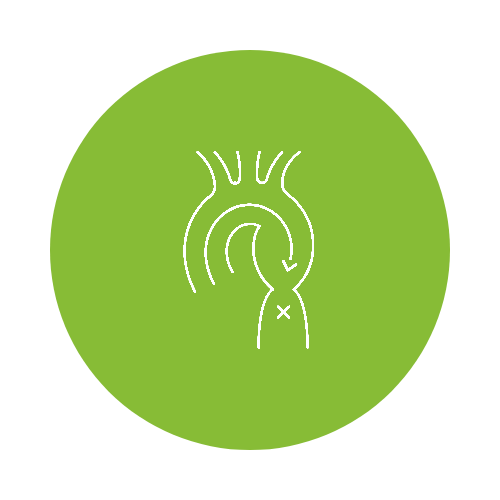
Abdominal Aortic Aneurysm (AAA) Screening

ABI (Ankle-Brachial Index): Peripheral Artery Screening

Blood Pressure Evaluation
Complete Physical Examination
A thorough head-to-toe assessment by a physician who takes the time to actually listen:

Hands-On Physical Examination
- Vital Signs: Temperature, pulse, respiration, blood pressure
- Head, Neck, Eyes, Ears, Nose and Throat: Complete examination
- Cardiovascular: Inspection, auscultation (listening), percussion, palpation
- Pulmonary: Comprehensive lung examination
- Gastrointestinal: Abdominal examination for organ abnormalities
- Genitourinary: Hernia examination
- Lymph Nodes: Evaluation of cervical, axillary, and inguinal regions
- Neurological: Mental status evaluation and assessment of cranial/peripheral nerves (motor, sensory, reflexes)
- Musculoskeletal: Range of motion assessment for all joints, mobility and function testing
Detailed Blood Work Review
Personalized Health Education

Mental Wellness Screening
Cancer Prevention & Early Detection
Full-Body Skin Cancer Screening
A trained physician examines your entire body for suspicious moles, lesions, or skin changes that could indicate melanoma or other skin cancers.
Complete Abdominal Ultrasound (9-Organ Assessment)
This painless ultrasound examination provides a thorough evaluation of your internal organs:
- Liver: Screens for liver cancer, cirrhosis, fatty liver disease, cysts, and masses
- Kidneys: Detects kidney cancer, stones, cysts, and structural abnormalities
- Pancreas: Identifies pancreatic cancer, cysts, and inflammation
- Gallbladder: Finds gallstones, polyps, and signs of disease
- Spleen: Checks for enlargement and abnormalities
- Bladder: Screens for tumors and structural issues
- Abdominal Aorta: Monitors for aneurysms
- Gender-Specific Screening: Pelvic ultrasound for women, testicular ultrasound for men
Thyroid Ultrasound
Additional Oncology Screening
- Fecal occult blood testing (colon cancer screening)
- Prostate exam and PSA analysis (males)
- Clinical breast examination (females)
- Additional screenings based on individual risk factors or patient request
Every Officer Receives
Early Detection Saves Lives
FAQs
Why do police officers have a shorter life expectancy?
Officers face chronic stress, shift work, and cardiovascular strain that add up over a career. Research links these factors to a significantly shorter life expectancy and earlier cardiac events than the general public. Early detection is the most effective way to change that trajectory.
What does a police health screening include?
A comprehensive blood analysis and a full cardiovascular workup, including a 12-lead EKG, a stress test with VO2 max, and an echocardiogram, plus a complete physician assessment and a confidential behavioral health review.
Is officer health information kept confidential?
Yes. Results stay confidential between the officer and the clinician. Privacy is built into how we run every screening.
Does NDS screen for cardiac and stroke risk?
Yes. Cardiovascular and stroke prevention is the core of the program, because cardiac events, not the street, are the leading health threat to officers.
Does screening happen at the department, on every shift?
Yes. We bring a mobile wellness clinic on-site and screen across every watch, so officers do not lose time off the job.
Can you coordinate with our FOP?
Yes. We design each program with your department and your FOP.
Is it covered by insurance?
Many of our services can be covered under existing health plans. We will review coverage during your consultation.