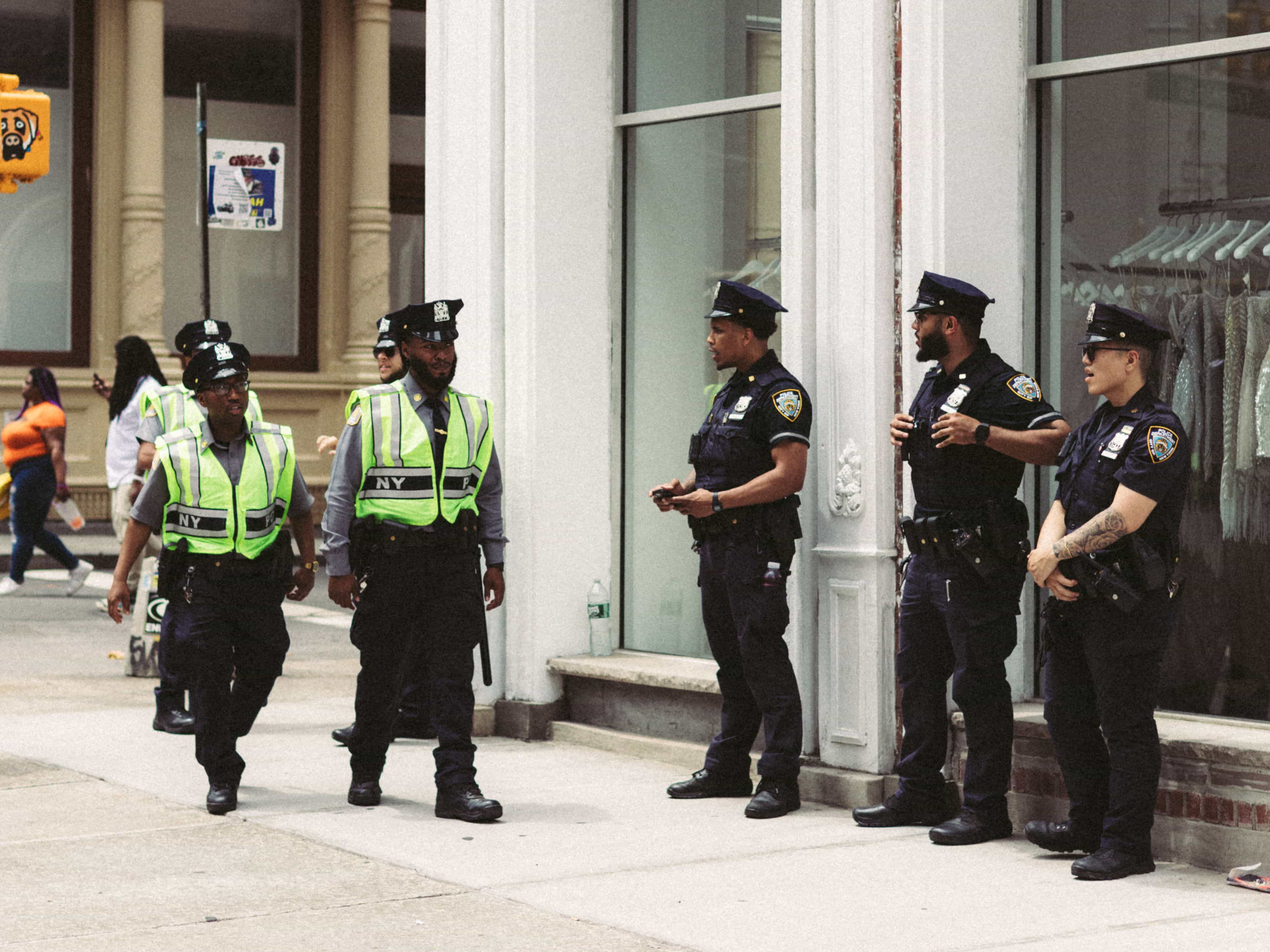

Every officer knows the stress of a hot call. Fewer talk about the slower kind, the accumulation of shift work, bureaucracy, disrupted sleep, and one hard scene after another, that never fully switches off. In a Fraternal Order of Police survey of roughly 8,000 officers, 79 percent reported experiencing critical levels of stress in law enforcement. Managing that stress is partly a matter of proven mental tools and knowing where to turn for support. It is also physical, because chronic stress leaves a measurable mark on the body that screening can catch. This guide covers both: practical ways to manage the stress, and why the toll it takes is worth watching.
Key Insights
- Organizational stress often outweighs the dangerous calls: Research consistently finds that bureaucracy, poor supervisor support, and workload weigh on officers as heavily as operational danger, sometimes more.
- Evidence-based tools work: Resilience training, peer support programs, mindfulness, sleep optimization, and cognitive reframing have been shown to reduce psychological distress and sick leave.
- Peer support is one of the strongest interventions: Formalized peer support paired with training gives officers trusted colleagues who can listen and connect them to professional help.
- Chronic stress does physical damage: Sustained stress and shift work are linked to high blood pressure, metabolic syndrome, and elevated cardiovascular risk, and officers develop heart and metabolic disease at higher rates than civilian peers.
- The physical toll is screenable even when the stress is not gone: A cardiac and metabolic screening catches the bodily effects of chronic stress early, which is a concrete step an officer can take while working on the rest.
Understanding What Actually Stresses Officers
Managing stress starts with naming it accurately, and the popular picture of police stress is only half right.
Operational Versus Organizational Stress
Ask most people what stresses officers, and they will point to gunfire, pursuits, and violent arrests. Those matter, and they accumulate. But research consistently shows that the psychosocial stressors built into the job, bureaucratic dysfunction, lack of leadership support, and perceived unfair treatment, rank as high or higher than physical danger in officer stress surveys. The paperwork and the politics can wear an officer down as much as the calls.
The Toll It Takes
Chronic stress erodes decision-making, disrupts sleep, and raises rates of anxiety, depression, and PTSD compared with the general population. Studies of officers put PTSD prevalence somewhere in the range of 7 to 15 percent. Left unaddressed, this stress does not stay at work. It follows an officer home and, over years, into their physical health.
Evidence-Based Ways to Manage Stress
The good news is that the interventions with the strongest evidence are practical and learnable. None of them require an officer to stop being an officer.
Peer Support
Among the most effective interventions is formalized peer support. Programs that train officers to listen, recognize warning signs, and connect colleagues to professional help meaningfully reduce distress, in part because officers often trust someone who has done the job over an outside clinician. A strong peer support program is a force multiplier for a department's whole wellness effort.
Resilience Training and Mindfulness
A RAND Corporation synthesis of first responder wellness initiatives identified resilience training as one of the most promising interventions. Programs that teach stress management skills, mindfulness, and emotional survival strategies improve mental health outcomes and can sharpen decision-making under pressure. Even brief breathing and self-regulation techniques help the body recover from the physiological spike a hard call produces.
Sleep and Physical Activity
Sleep is not a luxury for officers, it is a health variable. Sleep disruption independently predicts cardiovascular and metabolic deterioration over time, which makes protecting it one of the highest-value things a shift worker can do. Regular physical activity is a proven stress regulator that also directly counters the cardiovascular risks the job carries.
Cognitive Reframing
How an officer interprets a stressor changes its physical effect. Cognitive reframing, learning to challenge and reshape automatic stress-driven thoughts, is a practical daily tool that reduces the intensity and duration of the stress response, and it pairs naturally with the other techniques rather than replacing them.
Knowing When to Reach for More Support
Self-management tools are powerful, and they are not a substitute for real help when stress crosses into something heavier.
Signs It Is Time to Talk to Someone
Persistent sleep problems, growing reliance on alcohol or other substances to unwind, withdrawal from people, intrusive memories, or a sense of numbness are signals worth taking seriously. Reaching out at that point is a sign of judgment, not weakness, and the earlier it happens the more options an officer has.
Where to Turn
Support exists specifically for law enforcement. Copline, a national law enforcement officer support line staffed by retired officers, can be reached at 1-800-267-5463. The 988 Suicide and Crisis Lifeline is available around the clock by call or text. Many departments offer an Employee Assistance Program, and organizations like Concerns of Police Survivors provide resources for officers and their families. A department's peer support team is often the first and easiest door.
The Physical Side of Stress Officers Often Miss
Here is the part of stress that gets the least attention and shows up on a medical chart. Stress is not only in the mind. It accumulates in the body.
What Chronic Stress Does to the Body
Repeated stress keeps the body's stress response switched on, and over time that dysregulation takes a toll. Elevated cortisol, high blood pressure, and shift-driven metabolic disruption combine to push officers toward metabolic syndrome, the cluster of high blood pressure, excess weight, elevated blood sugar, and abnormal cholesterol that drives chronic disease. Officers are more likely than their civilian peers to be diagnosed with heart and metabolic conditions, and much of that traces back to sustained occupational stress.
Why This Is Worth Screening
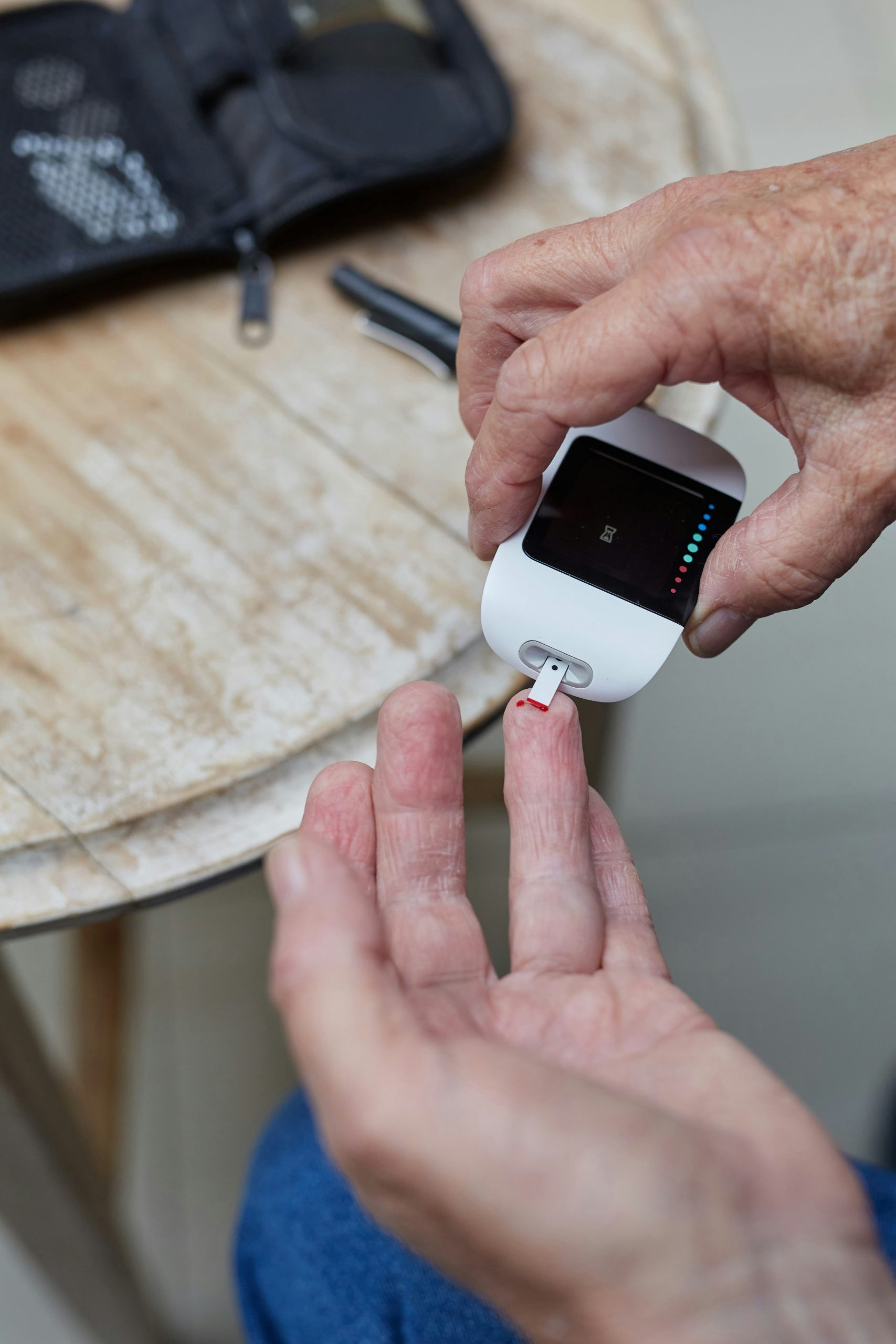
The physical toll of stress is quiet and gradual, which is exactly why it is easy to ignore until it becomes an event. Blood pressure creeps up without symptoms. Cholesterol and blood sugar shift silently. A screening catches these changes while they are still manageable, and that makes it one of the few concrete, immediate steps an officer can take even while the stress itself is still a work in progress. Our overview of the research on police cardiovascular risk shows why the stakes are high enough to act on.
How NDS Wellness Fits In
NDS Wellness does not provide counseling or behavioral health services. For the mental side of stress, the peer support, Employee Assistance Programs, and resources above are the right places to turn. What NDS does is address the physical toll that chronic stress leaves on the body, through our police health and wellness program.
Officers receive a full cardiac and metabolic assessment, including a 12-lead EKG, a stress test, and an echocardiogram, alongside comprehensive blood work that captures blood pressure, cholesterol, and blood glucose, the exact markers chronic stress moves. A physician reviews the results in person and coordinates follow-up when something needs attention. Because we arrive in a mobile wellness clinic, testing happens at your department across every watch, so no officer gives up a rest day. It is the physical half of officer wellness, delivered where the work happens, and it complements rather than replaces the mental health support every department should have.