Angina is the warning the heart sends before a heart attack, and police work is built around the exertion that triggers it. What it feels like, why officers dismiss it, and what to do.

General Health
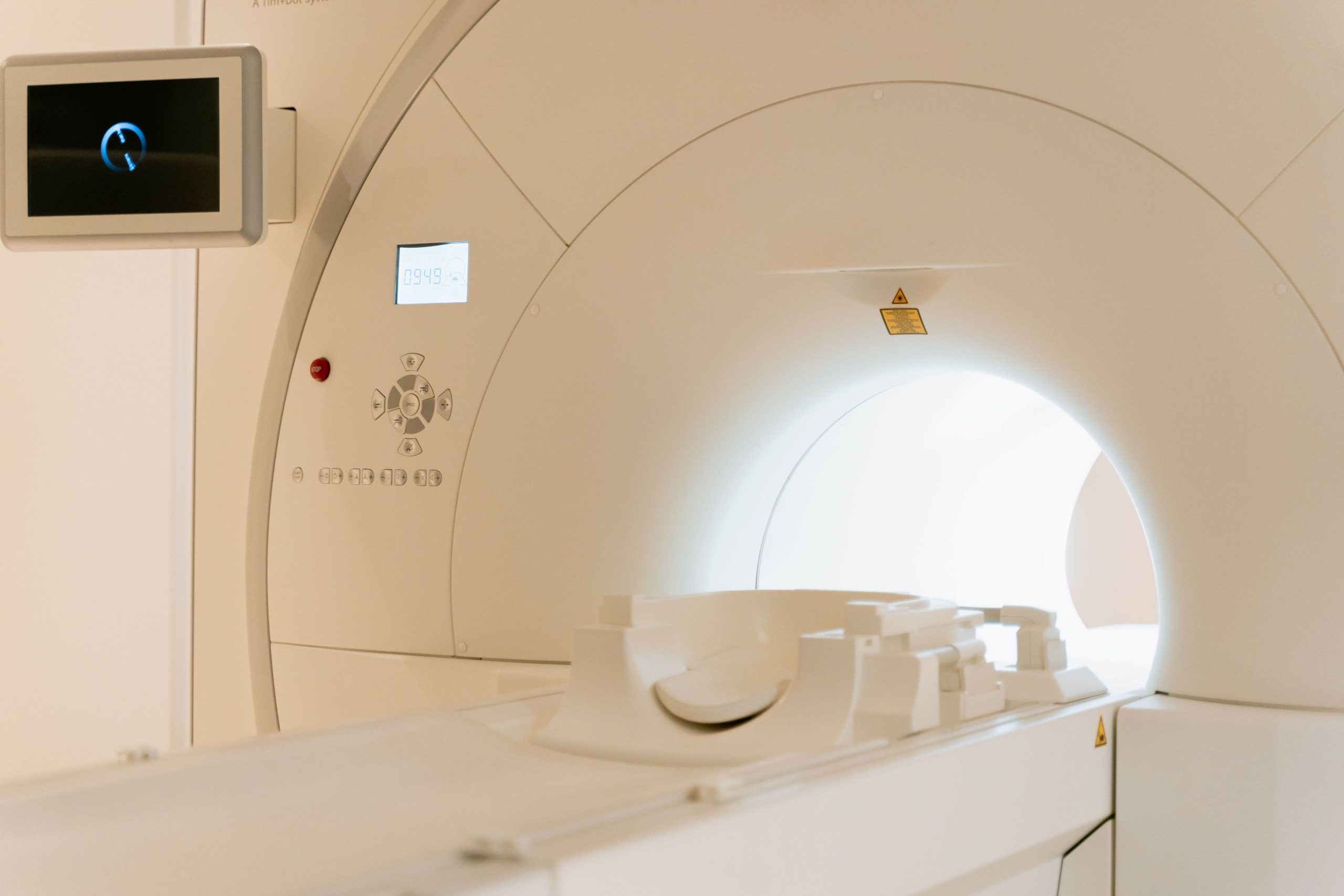
What a Heart Ultrasound Reveals (and Why Employers Bring It On-Site)
A heart ultrasound sees what a blood test and an EKG cannot: the heart itself, moving in real time. It shows how well...
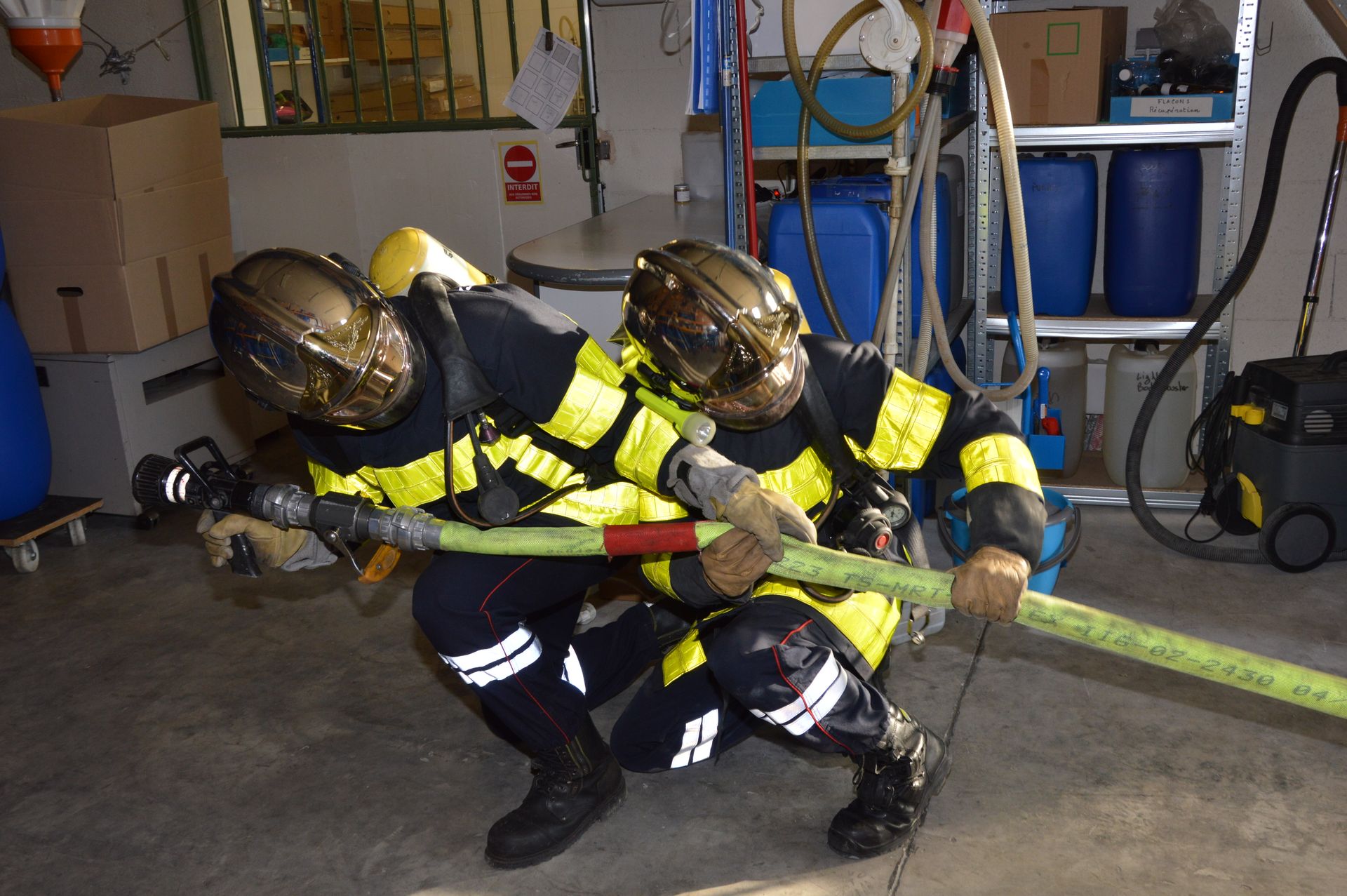
Testicular Cancer Ultrasound: Why Firefighters Should Not Skip This
Testicular cancer is not the first disease most firefighters associate with the job, yet it carries one of the...
Calcium Score by Age: The Heart Number Your Workforce Should
A coronary calcium score is one of the clearest early warnings the heart gives, and most working adults have never...
How Police Officers Can Manage Stress and Anxiety on the Job
Every officer knows the stress of a hot call. Fewer talk about the slower kind, the accumulation of shift work,...
NFPA 1582 Disqualifications: What Can Keep a Firefighter Off the Line
A firefighter fails a line on an audiogram, or a candidate mentions a heart condition, and suddenly everyone wants to...
Are Full Body Scans Worth It? Employer Guide
Full body scans have gone from a fringe idea to a wellness status symbol, and employers are starting to field the...
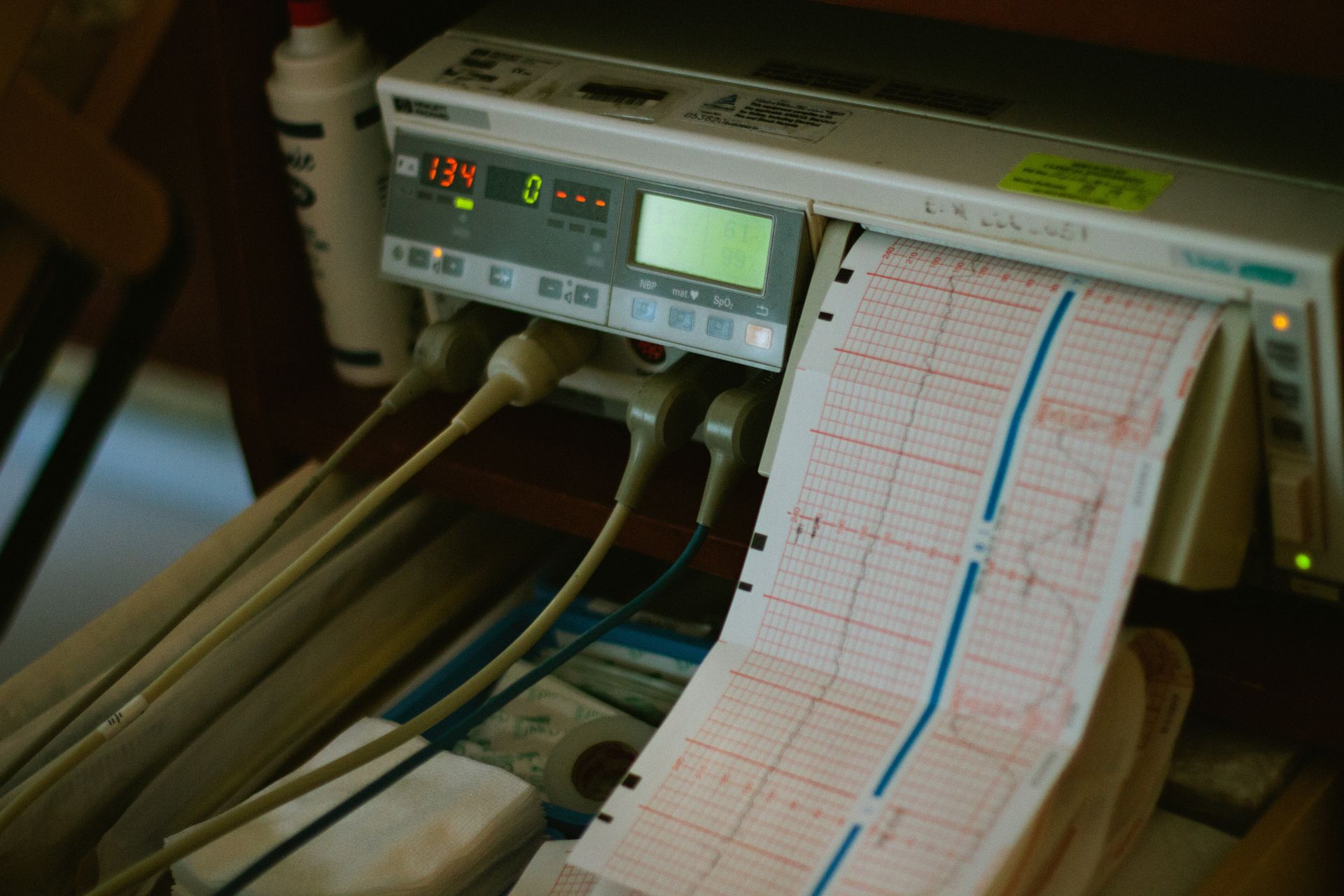
What Is a Stress Echo Test? Inside the Cardiac Screening Built for Police
A resting heart can hide a serious problem. An artery can be significantly narrowed and still cause no symptoms...
NFPA 1583 Explained: Health-Related Fitness Programs for Fire Departments
If NFPA 1582 answers whether a firefighter is medically fit for duty, NFPA 1583 answers a different question:...
How Often Should Employees Get a Check-Up?
Ask most people how often they should see a doctor and they will say once a year, without hesitation. It is one...