High blood pressure is the most common serious health finding in law enforcement, and it is also the quietest. It produces no reliable symptoms. An officer can run a shift, pass a fitness test, and feel entirely normal while carrying readings that are steadily damaging arteries, kidneys, and heart muscle. The only way to know is to measure it.
Research on police populations has repeatedly found hypertension at rates above the general public, and the reasons trace directly to how the job is structured. This article covers what the research shows, why policing drives blood pressure upward, what the numbers actually mean, and what a department can do about a condition that is both extremely common and highly treatable.
Key Insights
- Hypertension is disproportionately common in policing: Studies of police populations have reported hypertension prevalence well above general population rates, with one study of police personnel finding it in 41.4 percent of officers assessed.
- It produces no dependable warning signs: High blood pressure is typically symptomless until it has already caused organ damage, which is why it is often described as a silent condition.
- Shift work is an independent contributor: Research on shift working officers has found poor sleep quality and fatigue predominating, with blood pressure and fatigue levels strongly related.
- It rarely arrives alone: Elevated blood pressure commonly appears alongside abnormal cholesterol and elevated blood glucose, the combination that defines metabolic syndrome and multiplies cardiovascular risk.
- Detection is simple, which is what makes missing it costly: A blood pressure reading takes under a minute, yet the officers most at risk are often those least likely to sit for a routine medical evaluation.
What the Research Shows About Blood Pressure in Law Enforcement
Multiple studies of police populations have found hypertension at elevated rates. A study of police personnel published in the North American Journal of Medical Sciences observed hypertension in 41.4 percent of the officers assessed, alongside elevated rates of abdominal obesity and abnormal blood lipids compared with the surrounding general population. Research on police officers in other countries has reported similar or higher figures, with some cohorts showing hypertension prevalence above 50 percent.
These studies come from different countries and different policing systems, and the exact percentages are not directly transferable to a US department. What carries across is the pattern. When researchers measure blood pressure in police populations, they consistently find more hypertension than they find in comparable general populations.
NDS Wellness sees the same pattern in first responder screening. In a single program year with a major metropolitan fire department, 71 percent of the members screened had stage 1 or stage 2 hypertension. That is a fire service population rather than a police one, and the two jobs differ, but they share the shift structure, the sudden exertion profile, and the sustained stress that drive blood pressure upward.
Why Policing Raises Blood Pressure
The Stress Response That Never Fully Switches Off
Blood pressure rises naturally during acute stress. That is the system working correctly. The problem in policing is frequency and duration. Repeated activation across a shift, a week, and a career keeps the cardiovascular system operating at elevated pressure far more often than it was designed to. Research examining occupational stress in police officers has linked higher stress exposure to unfavorable cardiovascular markers, including blood pressure and blood lipid changes.
Shift Work and Disrupted Sleep
A study of shift working police officers published in the International Journal of Environmental Research and Public Health examined blood pressure, sleep quality, and fatigue across a twelve hour roster system. Poor sleep quality predominated in the sample at 69 percent, and fatigue severity at 51 percent. The researchers found blood pressure and fatigue levels strongly related after accounting for age, waist to hip ratio, and lifestyle risk factors.
Sleep is when blood pressure is supposed to drop. Rotating and overnight shifts interfere with that nightly recovery, and over years the cumulative effect contributes to sustained elevation.
The Practical Realities of the Job
Irregular meals, limited opportunity for physical activity during a shift, and long stretches seated in a vehicle all contribute. None of these individually explains police hypertension rates, but together they describe an occupational environment that pushes in one direction.
Understanding the Numbers
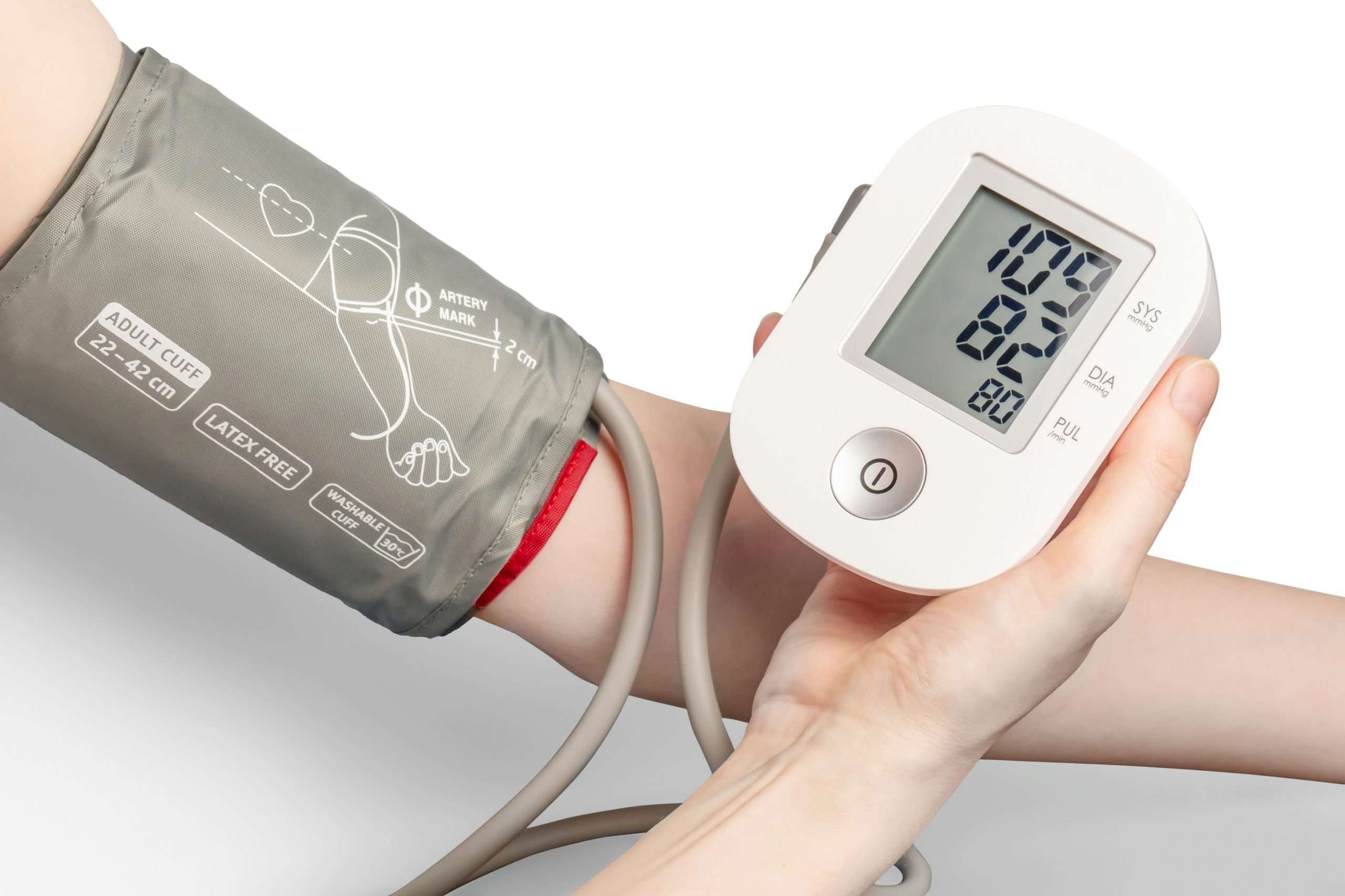
Blood pressure is expressed as two numbers. The systolic figure, on top, measures pressure when the heart contracts. The diastolic figure, underneath, measures pressure between beats. Current American Heart Association categories place normal blood pressure below 120 over 80. Elevated blood pressure runs 120 to 129 systolic with diastolic under 80. Stage 1 hypertension is 130 to 139 systolic or 80 to 89 diastolic. Stage 2 is 140 or higher systolic, or 90 or higher diastolic.
Two things about these categories matter for officers. First, a single reading is not a diagnosis, since blood pressure fluctuates and clinical evaluation accounts for that. Second, the categories were lowered in recent years precisely because research showed damage accumulating at levels once considered acceptable. An officer told years ago that a reading was borderline may fall into a defined stage under current standards.
What Sustained High Blood Pressure Does
Hypertension damages arteries throughout the body over time. That damage contributes to heart attack and stroke risk, strains the heart muscle as it works against higher resistance, affects kidney function, and accelerates the arterial plaque buildup that narrows the vessels feeding the heart and brain. None of this announces itself. The damage accumulates silently, which is exactly why the condition is dangerous in a population that feels fine and rarely sees a physician.
Why High Blood Pressure Rarely Travels Alone
Elevated blood pressure frequently appears alongside other findings. In practice, an officer with hypertension often also has elevated cholesterol, raised blood glucose, or increased waist circumference. When three or more of these cluster together, the combination is called metabolic syndrome, and the risk it carries is greater than the sum of its parts.
NDS aggregate screening data has found that individuals with three asymptomatic risk factors for metabolic syndrome are twice as likely to develop cardiovascular disease and five times more likely to develop diabetes. This is the reason a blood pressure check alone is insufficient. A cuff reading tells you one number. Comprehensive blood work alongside it tells you whether that number is part of a pattern.
What Actually Helps
The encouraging part of hypertension is that it responds. It is one of the most treatable conditions in medicine, through a combination of clinical management and sustained lifestyle change, guided by a physician who knows the individual's full picture.
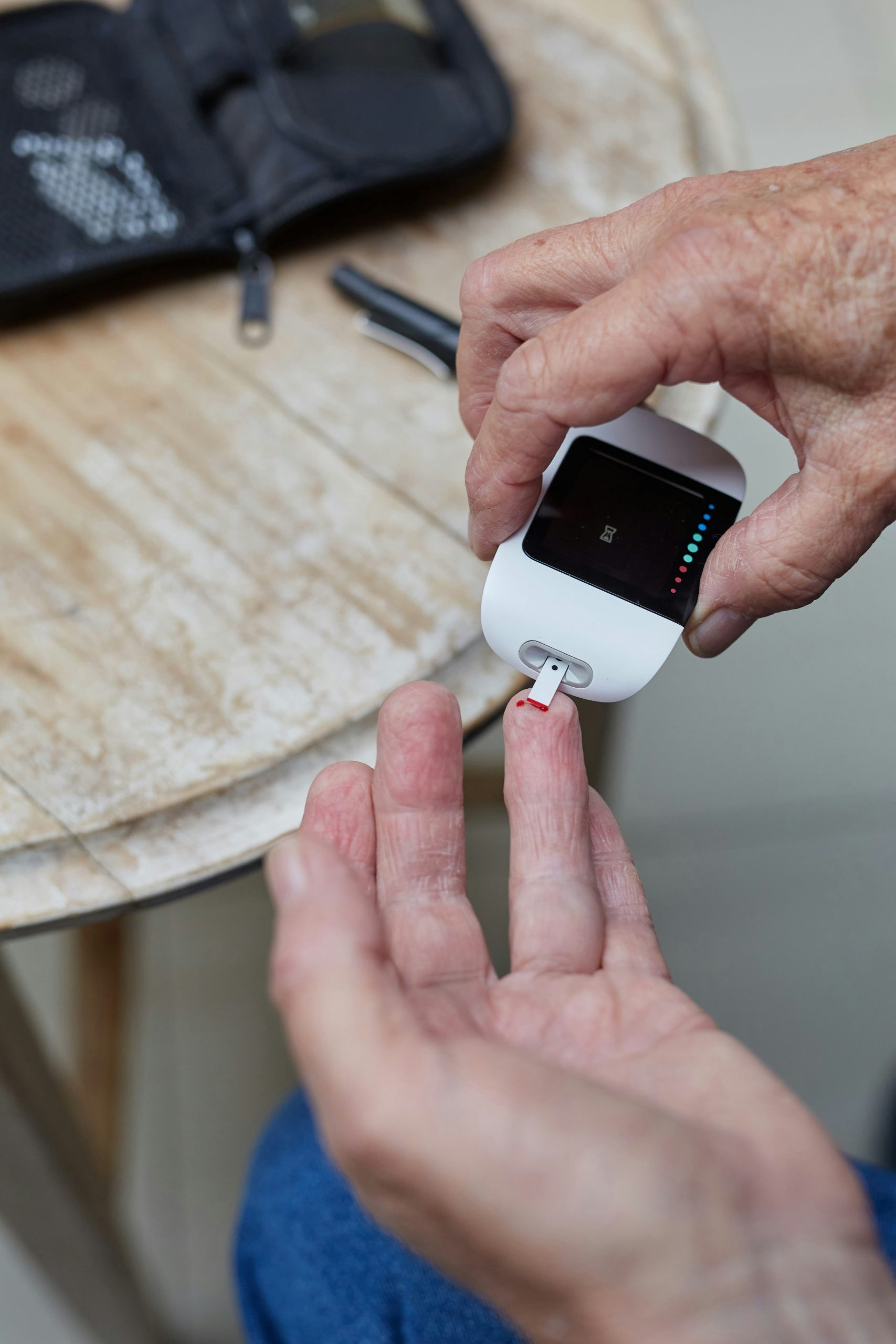
What does not help is guesswork. An officer who checks a reading on a pharmacy machine, sees a high number, and resolves to cut back on salt is not receiving care. Blood pressure management requires confirmation across multiple readings, evaluation of the surrounding metabolic picture, assessment of organ effects, and a plan built by a clinician. That is a medical process, not a personal resolution.
How NDS Wellness Screens Officers for Hypertension
NDS Wellness brings physician-led screening to your department across every watch, so evaluation happens on shift rather than on a rest day. Our police health and wellness programs include a comprehensive blood pressure evaluation with personalized management guidance for officers with elevated readings, delivered as part of a complete assessment rather than as a standalone number.
That surrounding context is the point. Alongside blood pressure, officers receive comprehensive blood analysis covering lipids, glucose, and metabolic markers, a 12-lead EKG, and a full cardiovascular workup including echocardiogram and carotid artery ultrasound. A physician reviews everything together and explains what the combination means.
When a finding needs attention, we coordinate the referral and follow-up. Results stay confidential between the officer and the clinician, which is a significant part of why on-site participation rates exceed what referral based programs achieve.