Asking which cancer is most common in firefighters has a more useful answer than a single disease name. The research points to a pattern: cancers of the digestive, urinary, respiratory, and oral systems appear at elevated rates, with a handful of specific cancers standing out sharply from the rest. Knowing which ones matters, because it determines what a station screening program should actually look for. It also matters because the same body of research contains something departments rarely hear, which is direct evidence that firefighters who get screened early do better. Here is what the studies show, cancer by cancer.
DISCLAIMER: This is general information, not legal advice. NDS Wellness is a healthcare provider, not a law firm. Whether any specific obligation applies to your workforce depends on your industry, exposures, and jurisdiction, and should be confirmed with your safety team and employment counsel.
Key Insights
- Mesothelioma and bladder cancer carry the strongest evidence: When the World Health Organization's cancer agency reviewed the research in 2022, these were the two cancers it found sufficient evidence to link directly to firefighting.
- Four body systems account for most of the excess risk: The landmark NIOSH cohort found elevated risk of digestive, urinary, respiratory, and oral cancers compared with the general US population.
- More exposure means more risk: NIOSH found lung cancer risk rose with total time spent at fires, and leukemia risk rose with the number of fire runs, which makes cumulative exposure a measurable factor rather than an abstract one.
- Early detection demonstrably changes firefighter outcomes: A Florida study of 1,058 firefighters with prostate cancer found better five-year survival than the general population, with researchers attributing it largely to more frequent screening.
- The same study carries a warning: Firefighters diagnosed at later stages after age 65 fared worse than the general population, which is the clearest argument there is for screening before symptoms appear.
The Most Common Cancers for Firefighters
No single cancer accounts for firefighter risk on its own. The list below moves from the strongest evidence to the emerging, so you can weigh each accordingly.
Mesothelioma
Mesothelioma is the clearest signal in the data. The NIOSH cohort study was the first to identify an excess of mesothelioma in US firefighters, finding roughly twice the rate seen in the general population. Researchers connected it to asbestos exposure in older burning structures, which firefighters disturb during suppression and overhaul. It is also one of the two cancers the International Agency for Research on Cancer cited as having sufficient evidence when it classified firefighting as carcinogenic to humans in 2022.
Bladder Cancer
Bladder cancer is the second cancer IARC identified with sufficient evidence in humans. NIOSH also observed excess bladder cancer appearing at younger ages than typically expected, which matters for screening decisions because standard population guidelines are built around older patients.
Esophageal and Digestive Cancers
Digestive cancers were among the primary drivers of elevated overall rates in the NIOSH cohort. Firefighters showed roughly a 62 percent higher risk of an esophageal cancer diagnosis according to NIOSH data, along with elevated intestinal cancer. These are cancers that rarely produce obvious early symptoms, which is precisely why they are so often found late.
Lung and Respiratory Cancers
Respiratory cancers were another main driver of the overall increase. The exposure-response analysis is the important detail here: NIOSH found that lung cancer risk rose with the total number of fire hours a firefighter accumulated. Worth noting for anyone tempted to dismiss the risk, most firefighters are non-smokers, and the exposure profile on the fireground is its own independent hazard.
Testicular Cancer
A 2006 meta-analysis of 32 firefighter studies led by Grace LeMasters found roughly a two-fold excess of testicular cancer, and later work has continued to identify it as elevated. IARC categorized the evidence for testicular cancer as limited rather than sufficient, but it remains one of the most consistently flagged cancers in the literature and tends to affect younger men.
Prostate Cancer
Prostate cancer appears repeatedly across firefighter research, including a large Nordic study of more than 16,000 firefighters. NIOSH also observed excess prostate cancer at younger ages. IARC classified the human evidence as limited, though as the survival data later in this post shows, prostate cancer is also where the case for early screening is strongest.
Leukemia and Non-Hodgkin Lymphoma
NIOSH found that leukemia risk increased with the number of fire runs a firefighter responded to, one of the clearest dose-related findings in the research. Non-Hodgkin lymphoma has been identified as elevated in multiple studies, including the LeMasters meta-analysis, and IARC listed it among the cancers with limited evidence.
Skin Cancer and Melanoma
The Nordic study found significant increases in both melanoma and non-melanoma skin cancer among firefighters. IARC also listed melanoma among the cancers with limited evidence in humans. Skin checks are quick to perform and easy to build into a station screening visit, which makes this one of the more practical items to address.
Oral Cancers
Oral cancers rounded out the four categories NIOSH identified as elevated in its cohort, alongside the digestive, urinary, and respiratory groups.
What the Research Says About Women Firefighters
The honest answer is that the evidence base is thinner, and that gap is itself a finding worth knowing.
Women make up roughly 8 percent of the fire service, and most large studies were built on predominantly male cohorts. The NIOSH work found higher breast cancer incidence and mortality among women firefighters compared with the general US population, though those results did not reach statistical significance. A separate Florida study found increased overall cancer risk among women firefighters, including elevated Hodgkin's disease and cervical and thyroid cancers. Researchers have been explicit that more data is needed for women and minority firefighters, which is one reason the national registry described below matters.
Why Cumulative Exposure Changes the Picture
Most cancer statistics treat firefighters as one undifferentiated group. The exposure-response research does something more useful by connecting risk to how much fire duty someone has actually seen.
In the second phase of the NIOSH study, researchers examined work histories including fire runs, fire hours, and the use of protective equipment. They found lung cancer risk climbing with total time spent at fires and leukemia risk climbing with the number of fire runs. For a chief, that reframes the question. Risk is not evenly distributed across a roster, and the members with the most fireground time carry the most accumulated exposure.
Why Early Detection Matters, With Firefighter-Specific Evidence
Most arguments for screening rely on general cancer statistics. In firefighters, there is something better: research examining how firefighters diagnosed with cancer actually fare.
What the Prostate Cancer Survival Data Shows
A population-based study using the Florida cancer registry compared 1,058 firefighters diagnosed with prostate cancer against patients in the general population. The firefighters had a higher five-year cause-specific survival rate, 96.1 percent compared with 94.2 percent. They were also diagnosed younger, at a median age of 63 versus 67, and a higher share of their cancers were caught at a localized stage, 84.7 percent versus 81.1 percent. The researchers attributed the survival advantage largely to more frequent PSA testing among firefighters.
Read that carefully, because it is the whole argument in one finding. Firefighters did better not because their cancer was less serious, but because it was found earlier.
The Warning Inside the Same Study
The same research found that firefighters aged 65 and older diagnosed at regional or distant stages faced a higher risk of death than the general population at those stages. The advantage held for cancers caught early and reversed for cancers caught late. That is the strongest available case for screening on a schedule rather than waiting for symptoms.
What Departments Can Do About It
Exposure is difficult to eliminate. When cancer is detected, then it's far more treatable, and there are two concrete steps available to any department right now.
Build Screening Around Firefighter Risks
A generic annual physical was not designed for this risk profile. A program matched to the research means comprehensive blood work, cancer screening aimed at the systems the studies flag, and a skin check, delivered often enough to catch disease at a localized stage. For context on how much higher the overall risk actually runs, see our breakdown of what percentage of firefighters get cancer.
Enroll Your Department in the National Firefighter Registry
NIOSH runs the National Firefighter Registry for Cancer, the largest effort ever undertaken to understand cancer in the US fire service. It is free, voluntary, open to career and volunteer firefighters whether active or retired, and enrollment takes about 30 minutes. As of mid-2026 the registry passed 50,000 enrolled firefighters, and more than 165 departments across over 32 states have reached Gold Helmet status by enrolling at least half of their active members. Registry data is how the gaps in the research, including the gaps for women and minority firefighters, eventually get closed.
How NDS Wellness Screens Firefighters for Cancer
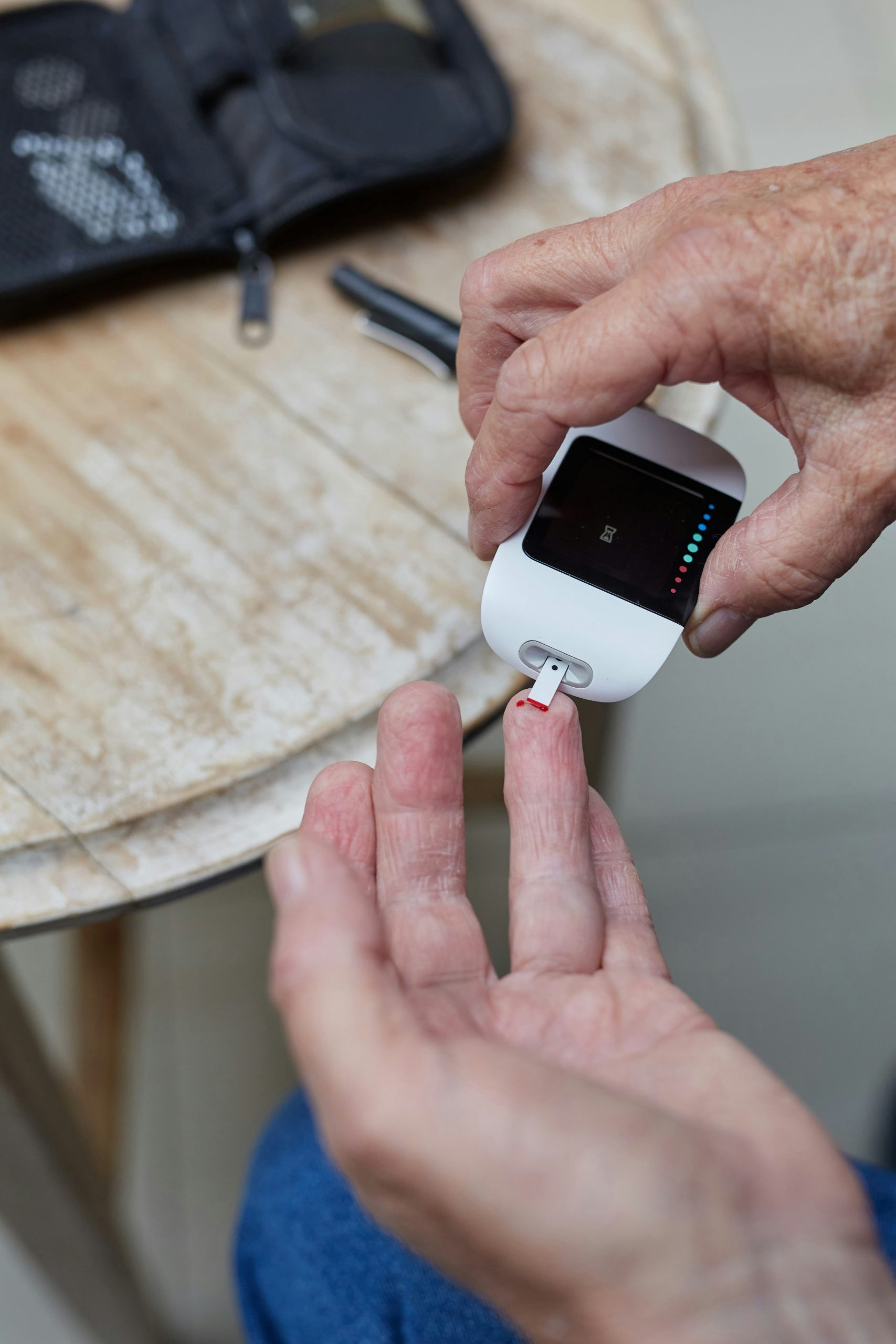
NDS Wellness built its firefighter health and wellness program around the risks this research identifies. Firefighters get a real physician appointment on-site, including a comprehensive blood panel, a full physical, cancer screening aimed at the systems the studies flag, and a skin review. It is a genuine clinical visit rather than a finger-prick at a folding table, because the cancers involved here are not the kind a basic screening catches.
Because we arrive in a mobile wellness clinic, we screen at the station across every shift, so participation does not depend on who can spare a day off. Results are explained by a physician and follow-up care is coordinated, which matters most in exactly the situation this research describes, when something is found early and the next step needs to happen quickly.
Catch It While It Is Still Treatable
The research is clear on both halves of the problem. Firefighters face elevated risk across several cancers, and firefighters who are screened early do measurably better. Book a Consultation and we will build a screening program around your station, your shifts, and your budget. Call 888-267-4786 to get started.
Sources
- National Institute for Occupational Safety and Health (NIOSH), Firefighter Cancer Study findings, CDC: cdc.gov/niosh/bulletin/2017/firefighter-cancer.html
- International Agency for Research on Cancer (IARC) / World Health Organization, "Carcinogenicity of occupational exposure as a firefighter," The Lancet Oncology, 2022
- NIOSH, National Firefighter Registry (NFR) for Cancer, CDC: cdc.gov/niosh/firefighters/registry/index.html and NFR Protocol: NFR Protocol (2025)
- "Distinct Prostate Cancer Survival Outcomes in Firefighters: A Population-Based Study," Florida cancer registry analysis: ncbi.nlm.nih.gov/pmc/articles/PMC11010940/
- Firefighter Cancer Support Network, FAQ (summarizing LeMasters 2006 meta-analysis, Daniels NIOSH phase 2, and Pukkala Nordic study): firefightercancersupport.org/resources/faq
- American Cancer Society, "Firefighting and Cancer Risk": cancer.org/cancer/risk-prevention/chemicals/firefighting.html