
Few statistics get repeated in law enforcement circles as often as the claim that officers die younger than everyone else. The figures cited vary widely, from a handful of years to more than two decades, and they are often passed along without any indication of where they came from or how much weight they can carry. That matters, because departments make real decisions about officer health based on these numbers.
The research on police mortality is genuine, and it points consistently in one direction. But the size of the gap depends heavily on which study you are reading, and the honest picture is more useful than the headline. This article walks through what the published research actually found, why cardiovascular disease sits at the center of it, and what the findings mean for a department deciding how to protect its officers.
Key Insights
- The most cited figure comes from one city: A 2013 study of Buffalo, New York officers reported a mean life expectancy difference of 21.9 years compared with the US general population, a striking number drawn from a single police cohort.
- A longer study found a smaller but consistent gap: Research following officers across 40 years found overall mortality roughly 10 percent higher than the general population, with an average age at death of 66.
- Cardiovascular disease drives much of the excess: Deaths from heart disease were significantly elevated among officers with 10 to 19 years of service, pointing to risk that accumulates mid-career rather than after retirement.
- Sudden cardiac death clusters around specific duties: A study of 441 sudden cardiac deaths among US officers found risk 34 to 69 times higher during restraints and altercations than during routine duty.
- Nearly every driver is detectable years in advance: Blood pressure, cholesterol, blood glucose, and cardiac capacity all change long before an event, which is what makes screening the practical response to these numbers.
Where the Twenty One Year Figure Comes From
The number most often quoted in law enforcement comes from work led by John Violanti and colleagues at the University at Buffalo, published in 2013. The researchers compared mortality data for Buffalo police officers against the US general population and reported a mean life expectancy difference of 21.9 years. The study also found that the gap was most pronounced in younger age groups, which suggests the health toll begins accumulating early in a career rather than arriving all at once near retirement.
That finding is real and it deserves attention. It also deserves context. The study drew on one police department in one city, and researchers continue to debate how far a single cohort generalizes to law enforcement nationally. Departments in different regions, with different shift structures, different call volumes, and different populations, may not carry identical risk. Presenting the 21.9 year figure as a settled national fact overstates what one study can support.
What the Longer Cohort Research Found
The same research group followed a much larger group of officers over a longer period, tracking 2,593 officers across 40 years. That work found overall mortality approximately 10 percent higher than the general population, with an average age at death of 66. It also found that deaths from heart disease were significantly elevated among officers with 10 to 19 years of service.
Set side by side, the two studies say something more useful than either alone. The exact magnitude of the mortality gap varies depending on the cohort studied, the comparison population, and the period covered. What does not vary is the direction. Across the research, officers die earlier than the general population, and cardiovascular causes account for a substantial share of the difference.
Why the Mid Career Finding Matters Most
The elevation in heart disease deaths at 10 to 19 years of service is the detail departments should pay closest attention to. It describes officers in their thirties and forties, still fully operational, often the most experienced people on a shift. It is also the point in a career where a routine physical is least likely to happen and where an officer is most likely to assume that feeling fine means being fine.
That window is precisely where screening changes outcomes. Disease detected at 15 years of service is usually manageable. The same disease discovered at 25 years, or during a cardiac event, often is not.
Why Cardiovascular Disease Sits at the Center
Three features of police work combine to concentrate cardiovascular risk, and understanding them explains why general population health advice does not map neatly onto the profession.
Sudden Exertion Without Warning
Police work is long stretches of low physical activity broken by seconds of maximum effort. A study led by Harvard School of Public Health researchers, published in the BMJ, examined 441 sudden cardiac deaths among US officers and found the risk was 34 to 69 times higher during restraints and altercations than during routine duty, and 32 to 51 times higher during pursuits.
The important point is what those numbers do not mean. The altercation does not create heart disease. It exposes disease that was already present and silent, by demanding maximum output from a cardiovascular system that could no longer deliver it. The event is the moment the underlying condition becomes visible.
Shift Work and Circadian Disruption
Rotating and overnight shifts disrupt the body's internal clock, and that disruption has documented cardiovascular and metabolic consequences. Research on shift working police officers has found high rates of poor sleep quality and fatigue, along with associations between blood pressure and fatigue levels. A population based cohort study published in Clinical Hypertension found an increased risk of developing cerebro-cardiovascular disease among police officers compared with a matched occupational group.
Sustained Occupational Stress
Chronic activation of the body's stress response contributes to elevated blood pressure and metabolic disruption over time. Research on police populations has linked higher occupational stress to unfavorable changes in blood lipids and to increased odds of developing metabolic syndrome, the cluster of conditions that raises both cardiovascular and diabetes risk.
Reading These Statistics Honestly
There are three things worth keeping in mind whenever a mortality figure gets quoted in a briefing or a union meeting.
Single cohort studies describe that cohort. A finding from Buffalo officers is evidence about Buffalo officers. It is suggestive for law enforcement generally, not conclusive.
Comparison groups change the answer. Comparing officers with the general population produces a different figure than comparing them with another employed occupational group, because the general population includes people too unwell to work at all.
The direction is consistent even where the magnitude is not. This is the reason the research still matters. Whether the true gap is 10 percent higher mortality or something considerably larger, the cardiovascular pattern shows up again and again.
What Departments Can Actually Do About It
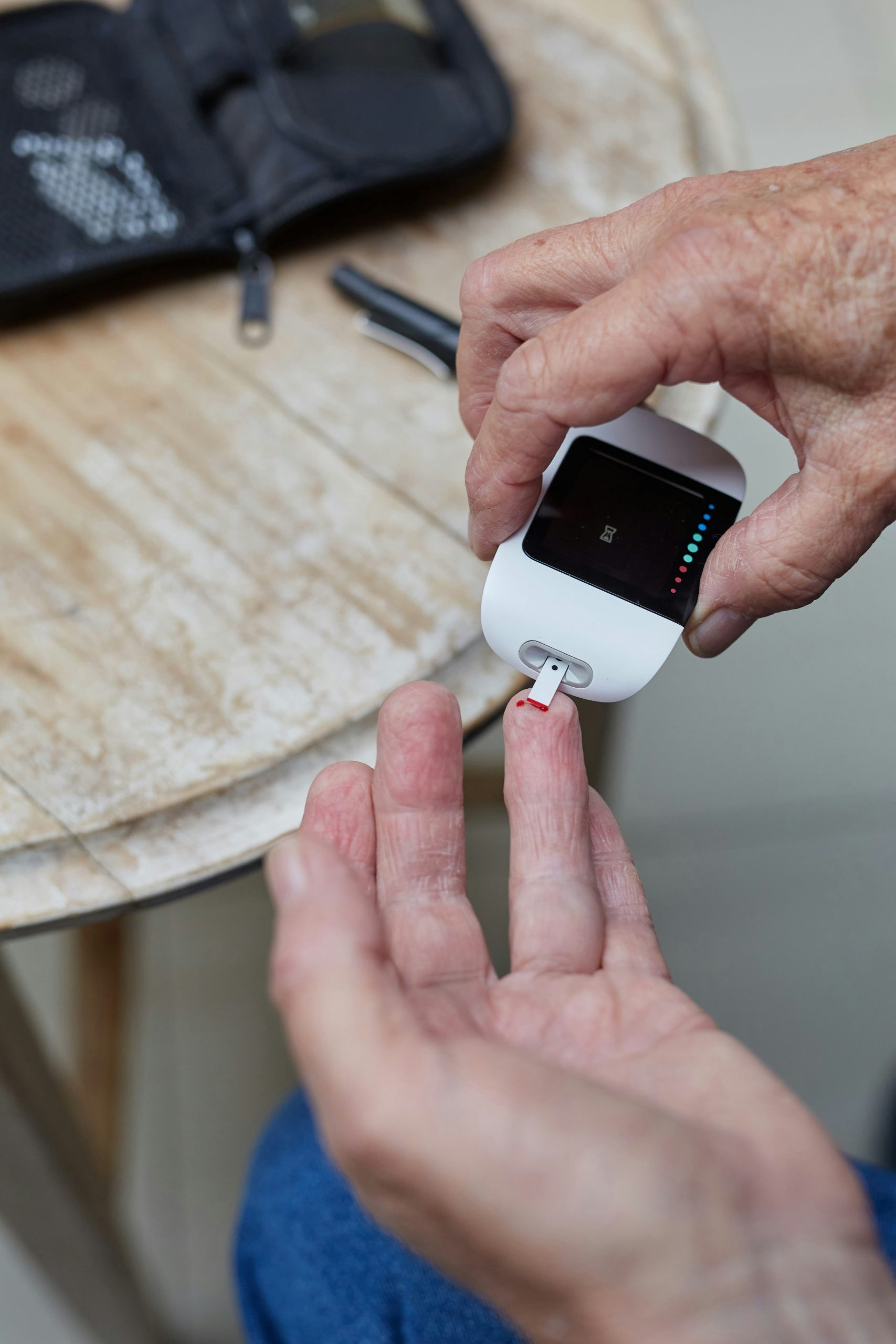
The most useful feature of the police mortality research is that almost every contributing factor it identifies is measurable long before it becomes dangerous. High blood pressure produces no symptoms. Elevated cholesterol produces no symptoms. Rising blood glucose produces no symptoms. Declining cardiac capacity is invisible until the day maximum output is required.
Detecting these things requires a real medical evaluation rather than a wellness questionnaire. A meaningful screening includes comprehensive blood work covering lipids, glucose, and metabolic markers, a 12-lead EKG, a cardiac assessment that examines how the heart performs under exertion, and a physician who reviews the results with the officer and explains what they mean.
The obstacle is rarely awareness. Officers know the job is hard on them. The obstacle is access. Advanced cardiac testing normally requires a referral, an appointment, and a rest day surrendered to a waiting room. Healthy feeling officers do not spend a day off that way, which means the people carrying the most silent risk are frequently the least likely to be evaluated.
How NDS Wellness Screens for Cardiovascular Risk in Law Enforcement
NDS Wellness delivers physician-led screening on-site at your department, across every watch, so officers do not travel or give up time off to be evaluated. Our police health and wellness programs are built around the risk profile the research describes, combining comprehensive blood analysis with a full cardiovascular workup.
Officers receive a 12-lead EKG, a stress test with cardiologist interpretation including VO2 max measurement, an echocardiogram, carotid artery ultrasound, abdominal aortic aneurysm screening, and an ABI peripheral artery assessment, alongside a complete physical examination. Detailed reports come from both a radiologist and a cardiologist, and any abnormal finding is followed by a provider consultation and coordinated follow-up care.
Results stay confidential between the officer and the clinician. That confidentiality is a large part of why participation rates on site are so much higher than referral based programs achieve.