
Most safety culture examples you will find cover the same ground: hard hats, toolbox talks, incident reporting, and a scoreboard counting days since the last injury. Those matter. They are also only half the job. The federal agency that studies worker safety has spent more than a decade arguing that protecting people from workplace hazards and improving their actual health should be one program, not two. The examples below reflect that thinking. Each one is a practice a real employer can adopt, and each one connects safety culture to health outcomes your team will feel long after the shift ends.
DISCLAIMER: This is general information, not legal advice. NDS Wellness is a healthcare provider, not a law firm. Whether any specific obligation applies to your workforce depends on your industry, exposures, and jurisdiction, and should be confirmed with your safety team and employment counsel.
Key Insights
- Safety culture and employee health are one system: NIOSH created the Total Worker Health approach specifically to integrate hazard protection with health promotion, rather than running them as separate programs.
- Culture is what happens when nobody is watching: A written policy is not a culture. The examples that work are the ones that change daily behavior, from how leaders act to how a near miss gets reported.
- Redesign beats reminders: The NIOSH hierarchy ranks eliminating and redesigning hazardous conditions above educating workers or encouraging personal change, because the first two do not depend on willpower.
- OSHA gives you the skeleton: OSHA's Recommended Practices are built around seven core elements, including management leadership, worker participation, and program evaluation, which map cleanly onto the examples below.
- Access is the deciding factor: The healthiest safety cultures remove friction. Screening that happens on-site during a shift gets used, while screening that requires a day off usually does not.
What Separates a Real Safety Culture From a Safety Poster
Before the examples, it helps to be precise about what you are building. Safety culture is the set of shared habits, values, and expectations that determine how people behave around risk when no supervisor is in the room.
The Frameworks Worth Knowing
Two federal frameworks anchor most credible work in this area. OSHA's Recommended Practices for Safety and Health Programs are built around seven core elements: management leadership, worker participation, hazard identification and assessment, hazard prevention and control, education and training, program evaluation and improvement, and communication and coordination across contractors and staffing agencies. NIOSH's Total Worker Health approach, launched in 2011, defines the integration of hazard protection with health promotion to advance worker well-being.
Why the Health Half Gets Left Out
NIOSH has described the traditional split plainly. Workplace safety programs have focused on reducing exposure to hazards at work, while health promotion programs have focused on lifestyle factors off the job. The evidence increasingly supports combining them. That gap is exactly where most safety cultures underperform, and where the examples below aim.
10 Safety Culture Examples That Improve Employee Health
Each example below is specific enough to implement and connects to a documented framework. Start with two or three rather than attempting all ten at once.
1. Leaders Who Follow the Same Rules on the Floor
Management leadership is the first core element in OSHA's framework, and it is the one workers read fastest. When an executive walks the production floor in the same protective equipment required of everyone else, stops for the same procedures, and does it without an audience, the standard becomes real. When leadership is exempt, every policy underneath it gets discounted.
2. Reporting a Near Miss Without Fear of Blame
A near miss is free information about a hazard that has not hurt anyone yet. Organizations that treat reports as valuable data, rather than as evidence of someone's mistake, learn about risks earlier. The test is simple: if your reporting numbers went up last quarter, that is usually a sign of trust, not deterioration.
3. Safety Committees With Real Frontline Representation
Worker participation is OSHA's second core element for a reason. A committee made up entirely of managers will consistently miss what people on the line already know. Give frontline workers actual seats, actual agenda items, and visible follow-through on what they raise, including workers employed through contractors and staffing agencies.
4. Toolbox Talks That Cover Health, Not Only Hazards
Most short-form safety briefings cover lockout procedures and lifting technique. The same five minutes can carry health content: recognizing cardiac warning signs, why sleep matters on a rotating schedule, or how to read a blood pressure number. You already have the audience assembled and the habit established. The marginal cost is close to zero.
5. On-Site Health Screening During Paid Work Hours
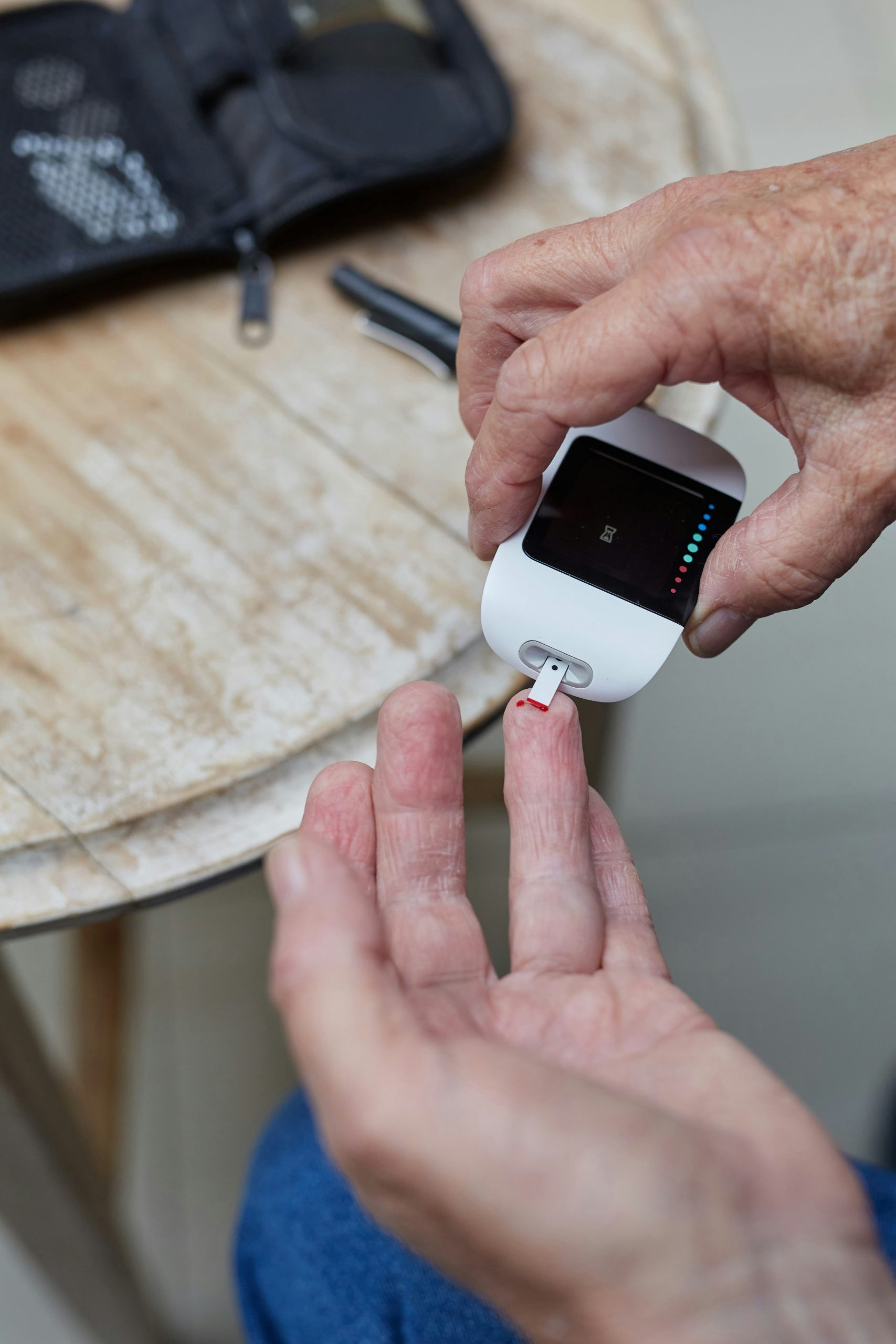
This is the clearest example of safety culture producing health outcomes. When screening happens at the workplace, during a shift, participation stops depending on whether someone can spare a personal day. It also sends an unmistakable message about whose time the organization values. A screening program that reaches every shift, including nights, is the difference between a benefit that exists on paper and one your team actually uses.
6. Scheduling and Fatigue Policies That Take Sleep Seriously
Shift work disrupts sleep and metabolic function, and fatigue degrades exactly the judgment that safety depends on. Organizations serious about both problems build fatigue into scheduling decisions: limiting consecutive night shifts, building genuine recovery time between rotations, and treating chronic overtime as a risk factor rather than a badge of commitment.
7. Redesigning the Task Instead of Reminding People to Be Careful
The NIOSH hierarchy applied to Total Worker Health ranks interventions by expected effectiveness: eliminate hazardous conditions first, then substitute health-enhancing practices, then redesign the work environment, then educate, and only then encourage personal change. Most organizations start at the bottom with reminders. Moving a heavy component to waist height solves a back injury problem permanently. A poster asking people to lift correctly does not.
8. Mental Health Treated as Part of the Safety Conversation
Stress, sleep loss, and psychological strain affect attention, reaction time, and decision-making, which makes them safety issues as well as health issues. Organizations that name mental health openly in safety programming, and make confidential support genuinely accessible, remove the stigma that keeps people from asking until they are in crisis.
9. Measuring Leading Indicators, Not Only Injury Counts
Injury counts tell you what already went wrong. Leading indicators tell you what is about to. Track near-miss reports, hazard corrections closed, training completion, screening participation rates, and how quickly reported issues get resolved. Program evaluation and improvement is a core OSHA element, and a program that only measures failures cannot show progress.
10. Extending Everything to Contractors and Temporary Workers
OSHA's seventh core element specifically addresses communication and coordination among host employers, contractors, and staffing agencies. Temporary and contract workers often face the highest exposure and receive the least orientation. A safety culture that stops at the badge line is not a culture, it is a policy with a loophole.
How to Start Building a Culture of Safety
The most common failure is trying to launch everything at once, then losing momentum by the second quarter. A narrower start works better.
Pick Two, Then Measure
Choose one leadership behavior and one access improvement, such as blameless near-miss reporting paired with on-site screening. Set a baseline, run both for two quarters, then evaluate honestly. Continuous improvement is central to how OSHA frames this work, and small proven wins build the credibility you need for bigger changes.
Connect It to Compliance Without Stopping There
Health and safety compliance sets the floor, not the ceiling. Meeting your regulatory obligations is necessary, and a strong culture makes those obligations easier to satisfy, but the organizations that see real health improvement treat compliance as the starting line rather than the destination.
How NDS Wellness Supports Your Safety Culture
NDS Wellness exists to make example number five practical. Our corporate wellness program brings physician-led screening directly to your workplace, on every shift, so your team gets real appointments including a full physical, a 12-lead EKG, comprehensive blood work, and a confidential mental health review. Nobody has to take a personal day or drive across town, which is usually the difference between a program people use and one they skip.
Because we arrive in a mobile wellness clinic, we can set up in your parking lot and reach first, second, and third shift. Results are explained by a physician and follow-up care is coordinated, so a concerning finding becomes a clear next step. Individual results stay confidential between the employee and the clinician, which is what makes participation rates hold up year after year.
Frequently Asked Questions
What is a safety culture?
A safety culture is the shared set of values, habits, and expectations that determine how people in an organization behave around risk, especially when no one is supervising them. It shows up in daily behavior, such as whether workers report hazards freely, rather than in written policies alone.
What are some real examples of a safety culture?
Practical examples include leaders following the same safety rules as frontline staff, blameless near-miss reporting, safety committees with real worker representation, fatigue-aware scheduling, redesigning hazardous tasks rather than posting reminders, on-site health screening during work hours, and extending all of it to contractors.
How is safety culture different from a safety program?
A safety program is the documented structure of policies, training, and procedures. Safety culture is whether people actually follow it when nobody is watching. You can have a thorough program on paper and a weak culture in practice, which is usually where injuries come from.
What are OSHA's core elements of a safety and health program?
OSHA's Recommended Practices identify seven core elements: management leadership, worker participation, hazard identification and assessment, hazard prevention and control, education and training, program evaluation and improvement, and communication and coordination for host employers, contractors, and staffing agencies.
What is Total Worker Health?
Total Worker Health is a NIOSH approach defined as policies, programs, and practices that integrate protection from work-related safety and health hazards with the promotion of injury and illness prevention to advance worker well-being. NIOSH launched the program in 2011 to close the gap between safety and health efforts.
How do you start building a culture of safety?
Start narrow rather than launching everything at once. Pick one visible leadership behavior and one access improvement, set a baseline, run them for two quarters, then measure honestly. Proven small wins create the credibility needed for larger changes later.
How do you measure whether a safety culture is working?
Track leading indicators rather than only injury counts. Useful measures include near-miss reports submitted, hazards corrected and closed, time to resolve reported issues, training completion, and participation rates in health screening. Rising report volume often signals growing trust rather than worsening conditions.
Does safety culture actually affect employee health?
The connection is the entire basis of the Total Worker Health approach. Factors like fatigue, chronic stress, and undetected cardiovascular disease affect both injury risk and long-term health, so a culture that addresses them influences outcomes well beyond the incident log.
How does on-site health screening fit into safety culture?
On-site screening removes the biggest barrier to preventative care, which is access. Holding screening at the workplace during paid hours signals that the organization values employee time and health, and it reaches shift workers who rarely make traditional appointments.
Does NDS Wellness work with employers on every shift?
Yes. NDS Wellness brings physician-led screening to your workplace in a mobile wellness clinic and sees employees across first, second, and third shift. Each person gets a full appointment with results explained and follow-up coordinated, and individual results remain confidential.
Sources
- Occupational Safety and Health Administration (OSHA), "Medical Screening and Surveillance Requirements Guide": osha.gov/medical-surveillance/guide
- OSHA, Standard Interpretation on medical surveillance requirements in the respirable crystalline silica standard for construction: osha.gov/laws-regs/standardinterpretations/2018-02-02
- OSHA, Respirable Crystalline Silica Medical Surveillance Guidelines, 29 CFR 1910.1053 App B: osha.gov/laws-regs/regulations/standardnumber/1910/1910.1053AppB
- U.S. Equal Employment Opportunity Commission (EEOC), final rule on employer wellness programs under the ADA and GINA: eeoc.gov
- EEOC, Questions and Answers on the Notice of Proposed Rulemaking on Employer Wellness Programs: eeoc.gov
- ADA National Network, "Revisiting Disability-Related Inquiries and Medical Examinations Under Title I of the ADA": adata.org
- National Institute for Occupational Safety and Health (NIOSH), Total Worker Health: cdc.gov/niosh/twh/about/index.html