
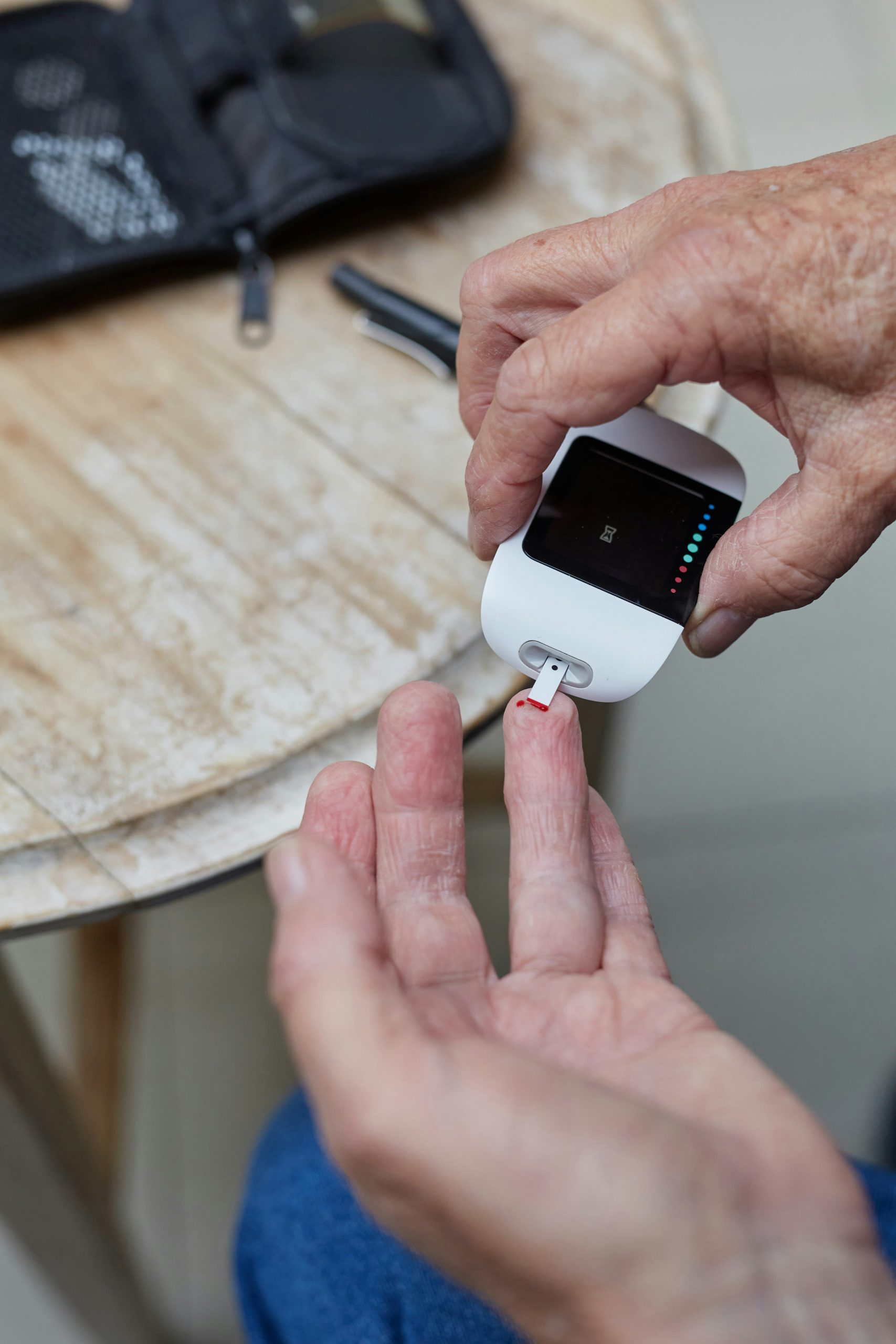
Why Police Officers Face Higher Diabetes Risk
Type 2 diabetes does not arrive suddenly. It develops across years of gradually rising blood glucose, through a stage where the numbers are abnormal but no symptoms exist and the process is still reversible. That stage is where screening finds it, and it is also where...

Metabolic Syndrome in Law Enforcement: Why Officers Face Higher Risk
Metabolic syndrome is not a disease in the usual sense. It is a name for a cluster of measurements that, when they appear together, indicate substantially elevated risk of cardiovascular disease and diabetes. None of the individual components produces symptoms. All of...

How Shift Work Affects Police Officer Health
Shift work is not simply an inconvenience for police officers; it is a direct occupational health hazard. The rotating and night shifts that are standard in policing disrupt circadian rhythms, suppress immune function, and drive the cardiovascular and metabolic...
High Blood Pressure in Police Officers
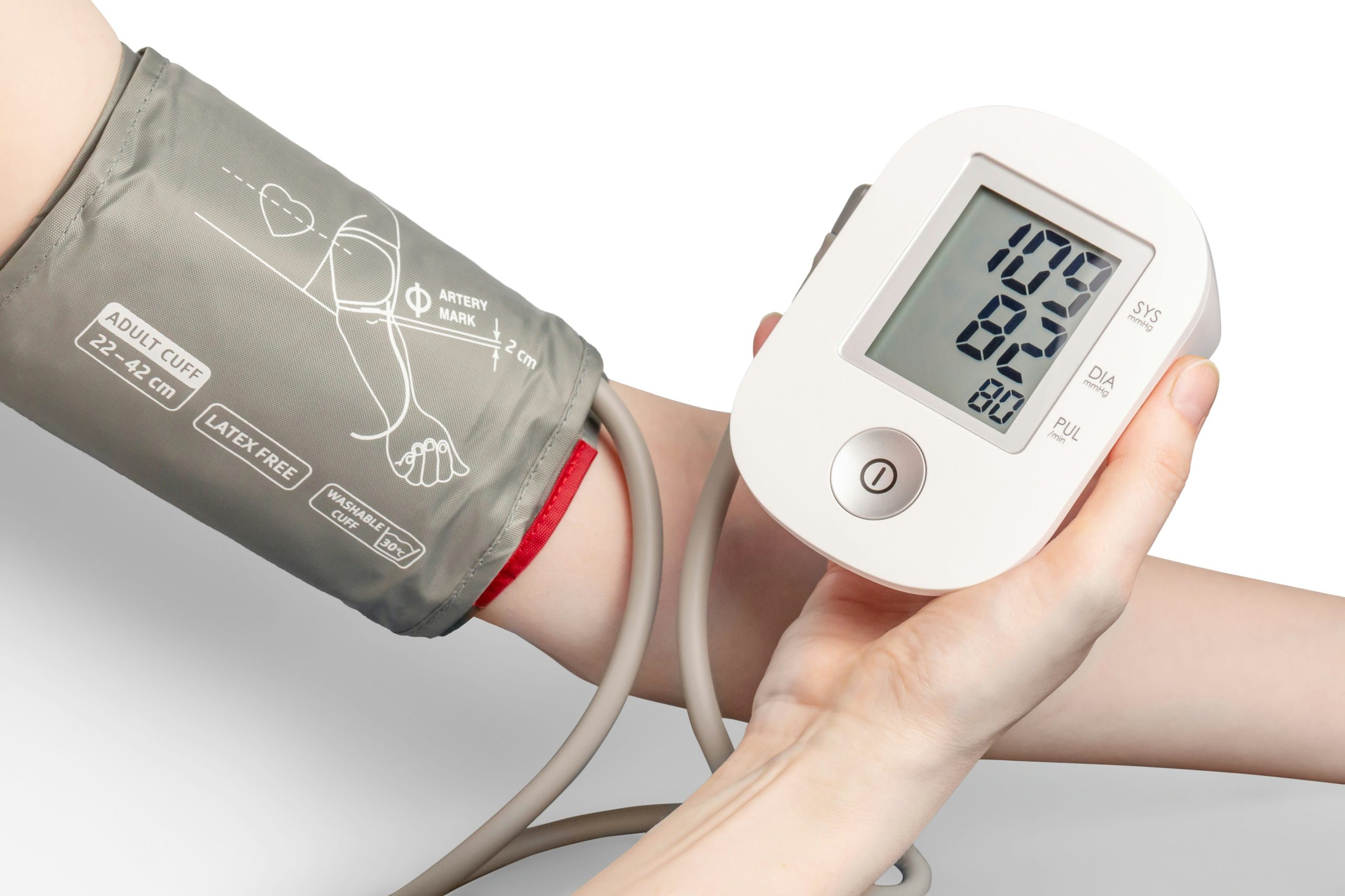
High blood pressure is the most common serious health finding in law enforcement, and it is also the quietest. It produces no reliable symptoms. An officer can run a shift, pass a fitness test, and feel entirely normal while carrying readings that are steadily...

Police Officer Mortality Rate Statistics Explained
Few statistics get repeated in law enforcement circles as often as the claim that officers die younger than everyone else. The figures cited vary widely, from a handful of years to more than two decades, and they are often passed along without any indication of where...

Angina Symptoms Every Police Officer Should Take Seriously
Angina is the warning the heart sends before a heart attack, and police work is built around the exertion that triggers it. What it feels like, why officers dismiss it, and what to do.

What a Heart Ultrasound Reveals (and Why Employers Bring It On-Site)
A heart ultrasound sees what a blood test and an EKG cannot: the heart itself, moving in real time. It shows how well the heart pumps, whether its valves are working, and whether its chambers have quietly changed shape under years of strain. Much of what it finds...
Testicular Cancer Ultrasound: Why Firefighters Should Not Skip This
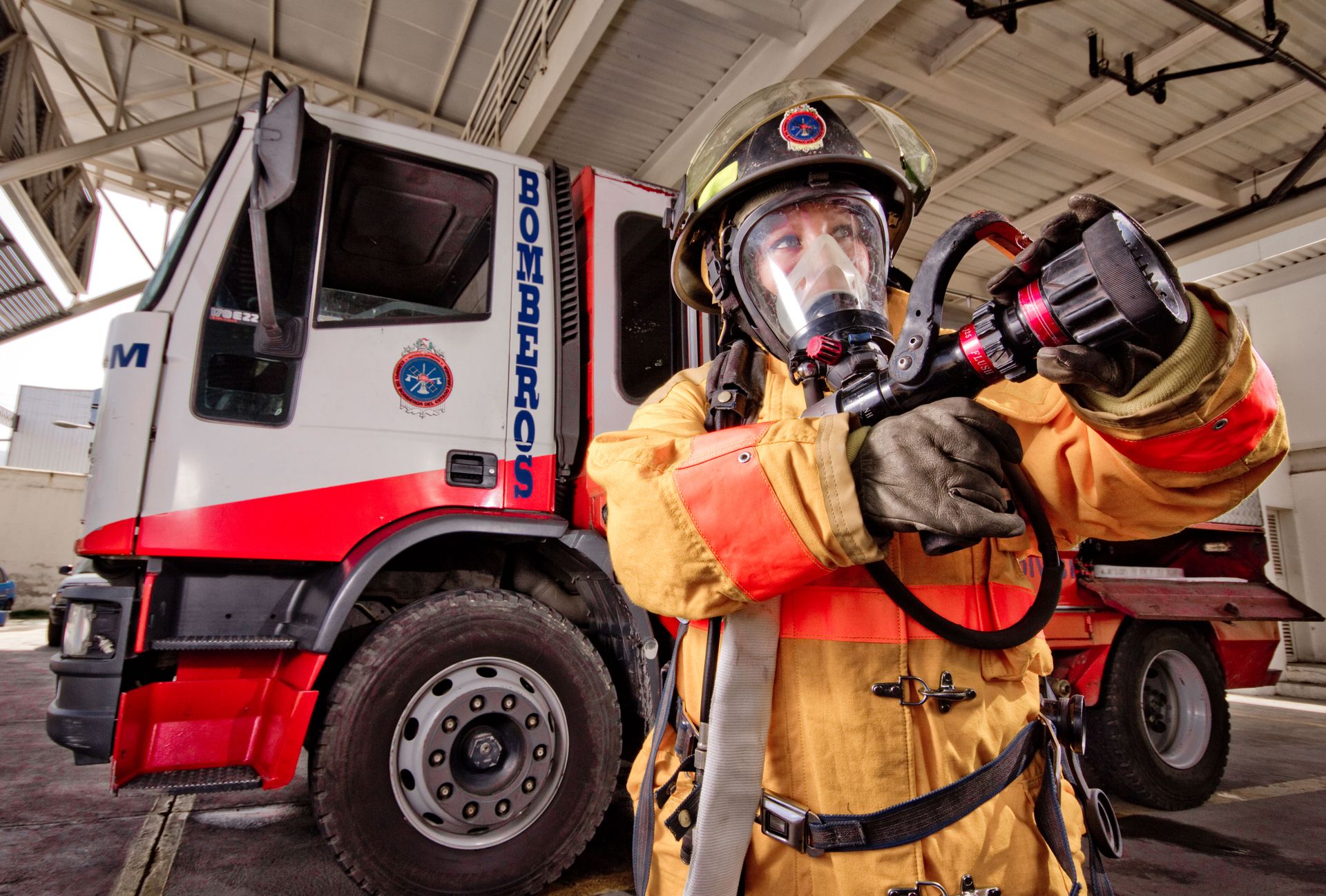
Testicular cancer is not the first disease most firefighters associate with the job, yet it carries one of the strongest links to firefighting of any cancer studied. It also strikes younger than most cancers, hitting men in the prime of their careers, and it is highly...
Calcium Score by Age: The Heart Number Your Workforce Should
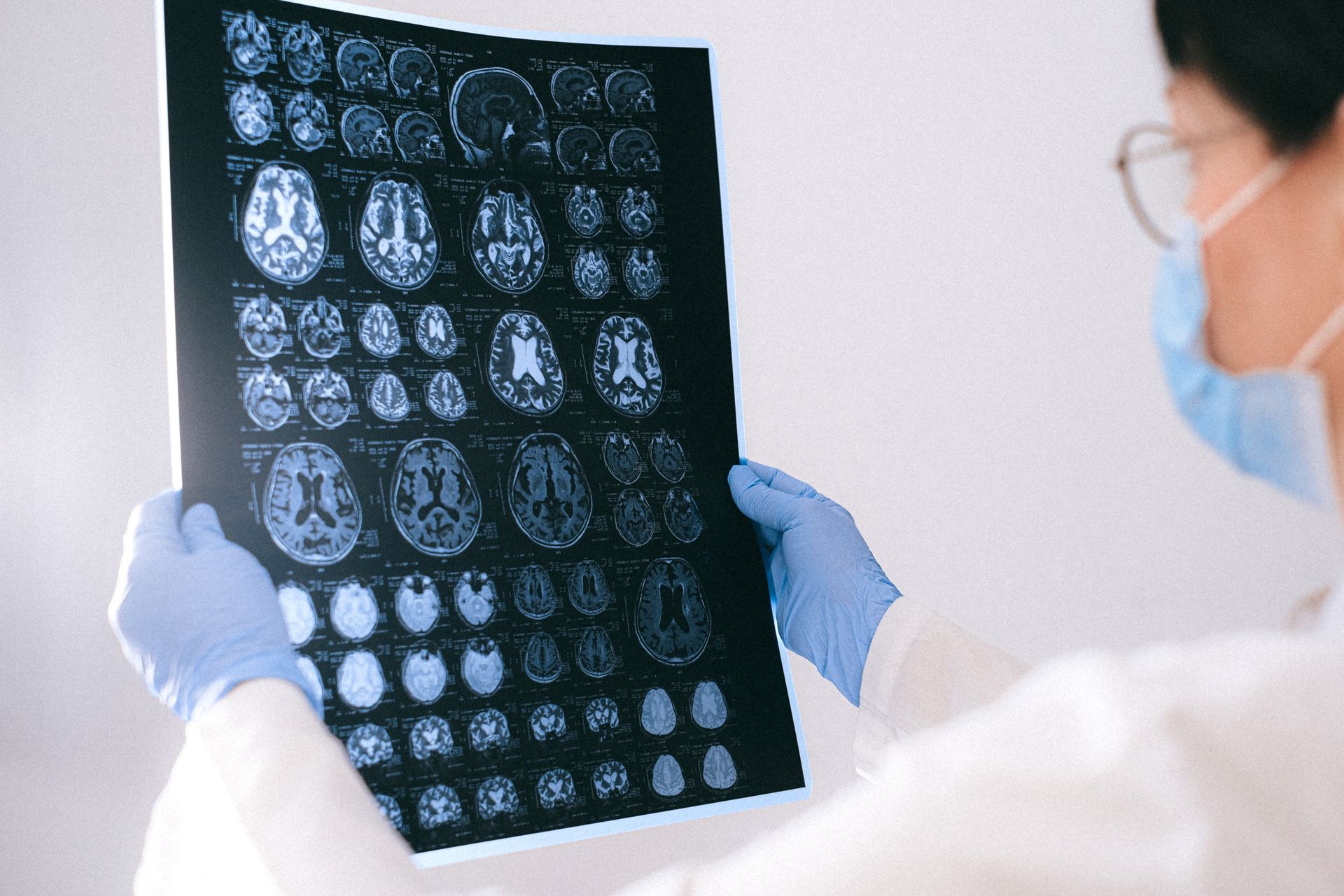
A coronary calcium score is one of the clearest early warnings the heart gives, and most working adults have never heard of it. It measures the calcified plaque built up in the arteries, the physical evidence of heart disease, often years before a symptom appears. But...

How Police Officers Can Manage Stress and Anxiety on the Job
Every officer knows the stress of a hot call. Fewer talk about the slower kind, the accumulation of shift work, bureaucracy, disrupted sleep, and one hard scene after another, that never fully switches off. In a Fraternal Order of Police survey of roughly 8,000...