
A firefighter fails a line on an audiogram, or a candidate mentions a heart condition, and suddenly everyone wants to know the same thing: is that automatically disqualifying? The honest answer is that NFPA 1582 is far less of a checklist than most people assume. It sorts medical conditions into two categories, and only one of them tends toward an automatic bar. The rest come down to a physician's judgment about whether someone can safely perform the essential job tasks of firefighting. Here is how the standard actually works, what falls into each category, and why "disqualification" is usually more complicated than a yes or no.
Key Insights
- NFPA 1582 uses two categories, not one list: Category A conditions generally prevent certification, while Category B conditions are evaluated case by case based on severity and the specific job tasks involved.
- Everything ties back to essential job tasks: The standard does not ask whether someone is healthy in the abstract. It asks whether a condition prevents them from safely performing the physical demands of firefighting.
- A physician makes the call, not a form: The fire department physician evaluates each person individually against the job tasks, which is why two people with the same diagnosis can reach different outcomes.
- Disqualification is not always permanent or total: Depending on the department, an affected member may be placed on restricted duty, given time to treat a condition, or accommodated, rather than removed outright.
- NFPA 1582 now lives inside NFPA 1580: The standard has been consolidated into NFPA 1580, though the 2022 edition of 1582 remains in effect during the transition, and the medical framework it describes has not changed.
How NFPA 1582 Actually Classifies Conditions
Before looking at specific conditions, it helps to understand the structure. NFPA 1582 does not simply publish a list of banned diagnoses. It builds everything around one question: can this person safely perform the essential job tasks of a firefighter?
Category A Conditions
Category A conditions are those the standard treats as preventing safe performance of essential job tasks. Under NFPA 1582, a candidate with a Category A condition is not certified as meeting the medical requirements. In practical terms, these are the closest the standard comes to automatic disqualifiers, because the condition itself is considered incompatible with safe duty.
Category B Conditions
Category B conditions are different. These may or may not prevent someone from performing the job safely, depending on severity, treatment, and the specific tasks their role requires. The standard directs the physician to evaluate these individually. A Category B condition is a reason to look closely, not a reason to disqualify on sight.
What Counts as an Essential Job Task
Because both categories are defined against essential job tasks, those tasks are the foundation of the entire standard. They describe the physical reality of firefighting, performed in full protective gear under stress.
The Physical Demands the Standard Assumes
NFPA 1582 frames essential job tasks around the real demands of the fireground: performing firefighting operations like hose handling, lifting, and carrying heavy objects, wearing an SCBA, climbing multiple flights of stairs in full protective equipment, working in toxic environments, and tolerating the heat and dehydration that come with encapsulating gear. A condition matters under the standard only insofar as it affects one of these.
Why This Framing Matters
This is the piece most summaries miss. The standard is not judging general health. It is asking whether a specific condition would keep someone from doing specific tasks safely, for their own protection and their crew's. That is why the same diagnosis can disqualify one person and not another.
Conditions Commonly Addressed by the Standard
NFPA 1582 addresses conditions across most body systems. The examples below are drawn from the standard's structure and are illustrative, not a complete or current list. Always work from the current edition and a physician's evaluation.
Cardiovascular Conditions
Cardiac conditions are among the most closely scrutinized, given that cardiac events are a leading cause of firefighter line-of-duty death. Clinically significant coronary artery disease is an example the standard has treated as a Category A condition, because the exertion of firefighting can trigger an event. Other cardiovascular findings are weighed by severity.
Respiratory and Pulmonary Conditions
Because firefighters rely on an SCBA and must breathe efficiently under load, respiratory conditions receive close attention. Conditions that compromise lung function or the ability to use breathing apparatus safely are evaluated against the demands of the job.
Neurological Conditions
Seizure disorders, certain conditions causing vertigo or impaired balance, and neurological conditions that affect coordination or consciousness are addressed, because a sudden loss of function on the fireground endangers everyone present.
Vision and Hearing
The standard sets specific thresholds. For hearing, an average loss in the unaided better ear beyond a defined level across certain frequencies is treated as a Category A condition, while unequal hearing loss, which affects the ability to localize sounds during search and rescue, is a Category B consideration. Vision has its own acuity and peripheral field thresholds.
Metabolic and Endocrine Conditions
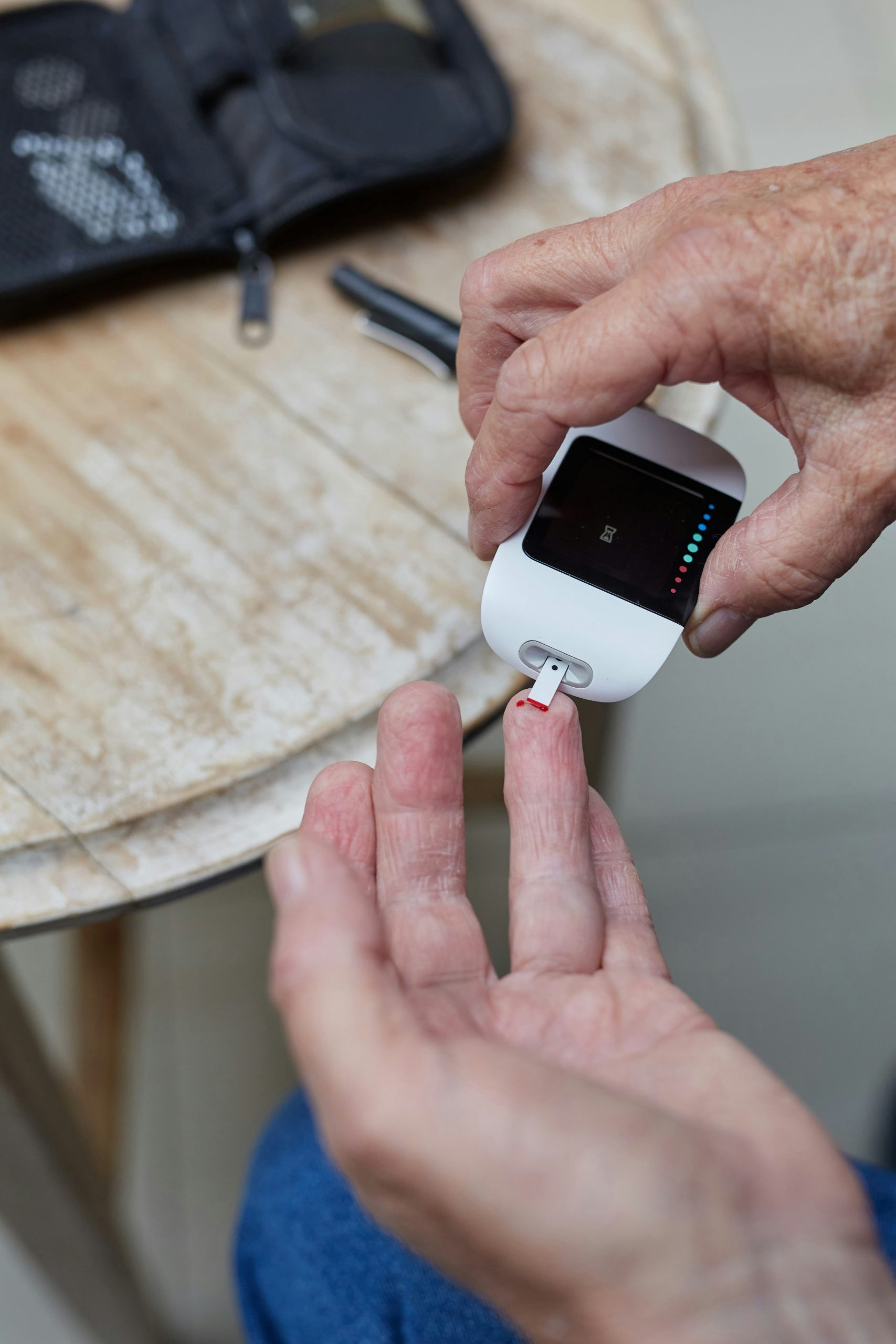
Diabetes is a frequently discussed example. Insulin-dependent diabetes has historically raised concern because of the risk of hypoglycemia during exertion, though the standard's approach has evolved to allow individualized evaluation in certain well-managed cases rather than a blanket exclusion.
Medications Can Matter Too
It is not only diagnoses. NFPA 1582 recognizes that certain medications can affect safe performance, either through their effects or through what they treat.
Why Medications Are Evaluated
Any medication that impairs the ability to safely perform essential job tasks is relevant, whether through sedation, effects on bleeding, or other mechanisms. Anticoagulants, for example, raise concern because of bleeding risk in a job with a high injury potential. As with conditions, the question is functional impact, not the mere presence of a prescription.
What Disqualification Actually Means in Practice
The word "disqualification" suggests a firm door closing. The reality inside a department is usually more nuanced.
Restriction, Treatment, and Accommodation
A physician who identifies a concern can recommend restricting a member from specific tasks rather than removing them from all duty. Some conditions can be treated, after which the member is re-evaluated. Whether an accommodation is offered often rests with the department and the authority having jurisdiction, not the standard alone.
Candidates Versus Incumbents
The stakes can differ between a new candidate and a serving firefighter. The standard applies its framework to both, but a department's options and obligations for an existing member, including restricted duty and process considerations, can look different from its decisions about a new hire.
How NDS Wellness Supports NFPA 1582 Evaluations
NDS Wellness brings physician-led medical evaluations directly to your station through our firefighter health and wellness program. Rather than sending members across town one at a time, we set up on site and evaluate the roster across every shift, with exams aligned to the NFPA 1582 standard, now part of NFPA 1580.
Each firefighter receives a real appointment with a physician who evaluates them against the essential job tasks, explains any findings directly, and coordinates follow-up when a condition needs treatment or a specialist opinion. Because we arrive in a mobile wellness clinic, your department completes its annual evaluations without pulling companies out of service. You can read more about what a full station exam involves on our NFPA 1582 physicals page.