If NFPA 1582 answers whether a firefighter is medically fit for duty, NFPA 1583 answers a different question: how does a department keep them that way? One is the medical evaluation. The other is the fitness program that surrounds it. The two standards were written as companions, and understanding how they fit together matters more now that both have been folded into a single consolidated standard. Here is what NFPA 1583 actually requires, how it works alongside the medical evaluation, and what a fire chief needs to know to build a program that holds up.
Key Insights
- NFPA 1583 governs fitness, not medical clearance: It sets minimum requirements for developing and managing a fire department's health-related fitness program, while NFPA 1582 handles the medical evaluation that clears members to take part.
- The fitness assessment has five defined components: The standard calls for assessing aerobic capacity, body composition, muscular strength, muscular endurance, and flexibility at least annually.
- Participation is mandatory but non-punitive: The standard's design intent is that fitness programs require participation while remaining non-punitive, so members are supported rather than disciplined.
- Two roles anchor the program: A Health and Fitness Coordinator and trained Peer Fitness Trainers are responsible for running assessments, designing individualized exercise programs, and supporting return to duty.
- NFPA 1583 now lives inside NFPA 1580: Like NFPA 1582, it has been consolidated into NFPA 1580, though its last standalone edition remains the reference for its content during the transition.
What NFPA 1583 Actually Requires
NFPA 1583 sets the minimum requirements for fire departments to establish health-related fitness programs for their members. It is a framework for building a program, not a single test to pass.
The Purpose Behind the Standard
Firefighting is physically demanding work where a member's fitness affects not only their own safety but their crew's, their patients', and the public's. NFPA 1583 exists because many departments agree fitness matters in principle but struggle to build a structured program in practice. The standard provides that structure, covering fitness assessment, exercise training, and health promotion in one document.
How It Connects to NFPA 1582
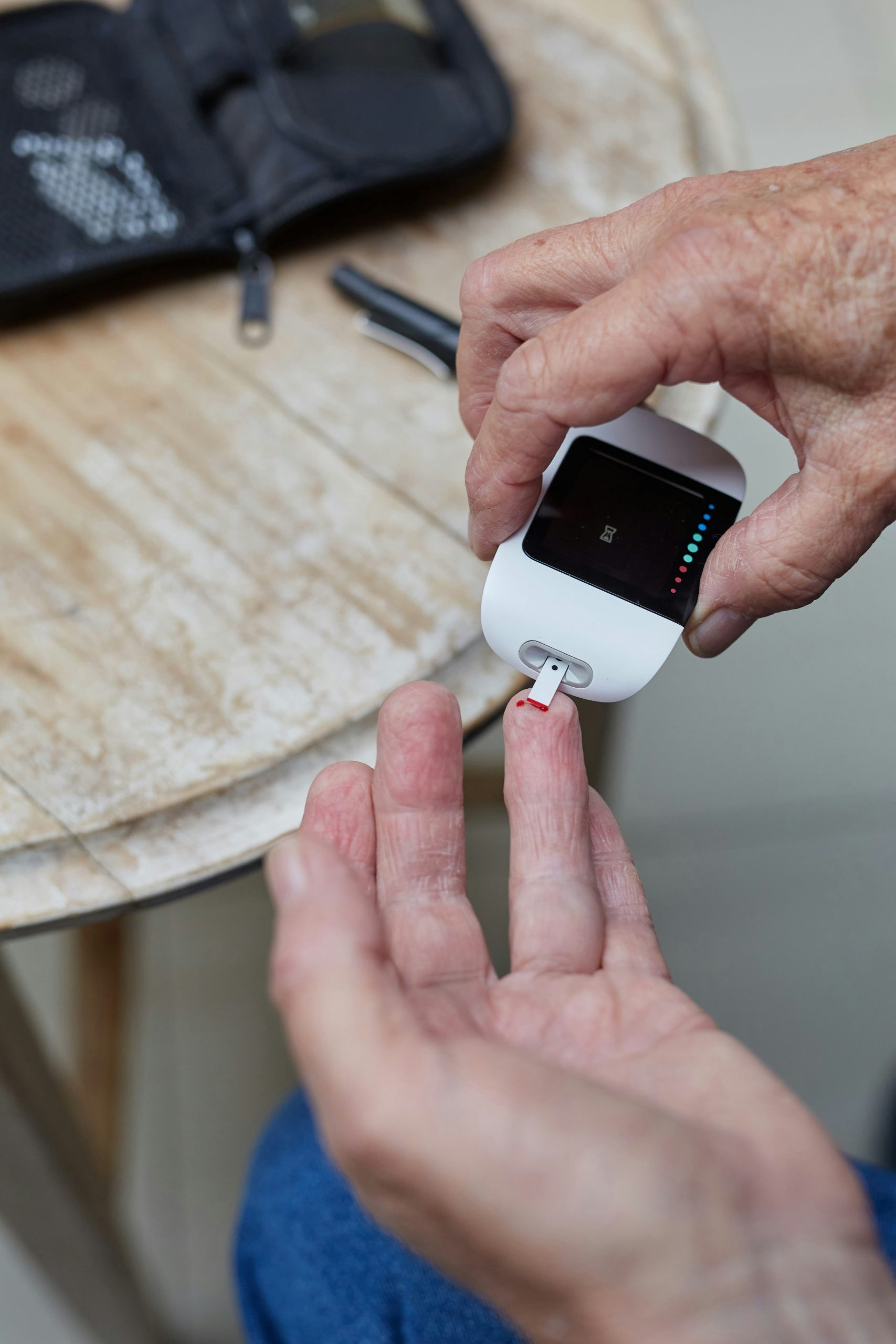
The two standards are companions by design. NFPA 1582 requires that a fire department physician clear each member for participation and for return to duty, and NFPA 1583 builds the fitness program on top of that medical foundation. In practical terms, the medical evaluation says who can safely take part, and the fitness program determines what happens next. Our explainer on how NFPA 1582 medical evaluations work covers that clearance side in detail.
The Five Components of the Fitness Assessment
At the center of NFPA 1583 is a fitness assessment conducted at least annually. The standard defines it around five measurable elements, so a department is evaluating the whole picture rather than one narrow measure.
Aerobic Capacity
This measures cardiovascular endurance, the body's ability to sustain effort over time. It is the fitness quality most directly tied to the sustained exertion of fireground work, and it connects closely to the cardiac risks the fire service takes seriously.
Body Composition
This assesses the ratio of body fat to lean mass, a more meaningful measure of fitness than body weight alone. It provides a baseline that a member and their trainer can work to improve over time.
Muscular Strength and Muscular Endurance
Strength measures the maximum force a muscle group can produce, while endurance measures how long muscles can keep working before fatigue. Both matter for the lifting, carrying, and forcible-entry tasks that define fireground labor.
Flexibility
Flexibility measures range of motion around the joints. It is often overlooked, yet it plays a direct role in preventing the strains and sprains that account for a large share of firefighter injuries.
The Two Roles That Run the Program
A standard is only as good as the people implementing it. NFPA 1583 assigns clear responsibility to two roles, which is part of what makes it workable rather than aspirational.
The Health and Fitness Coordinator
The Health and Fitness Coordinator, or HFC, oversees the program. The standard suggests this person have a background in areas like exercise physiology, exercise testing and prescription, and program leadership. The HFC also designs the individualized exercise program for any member returning to full duty after a debilitating injury, illness, or extended leave.
Peer Fitness Trainers
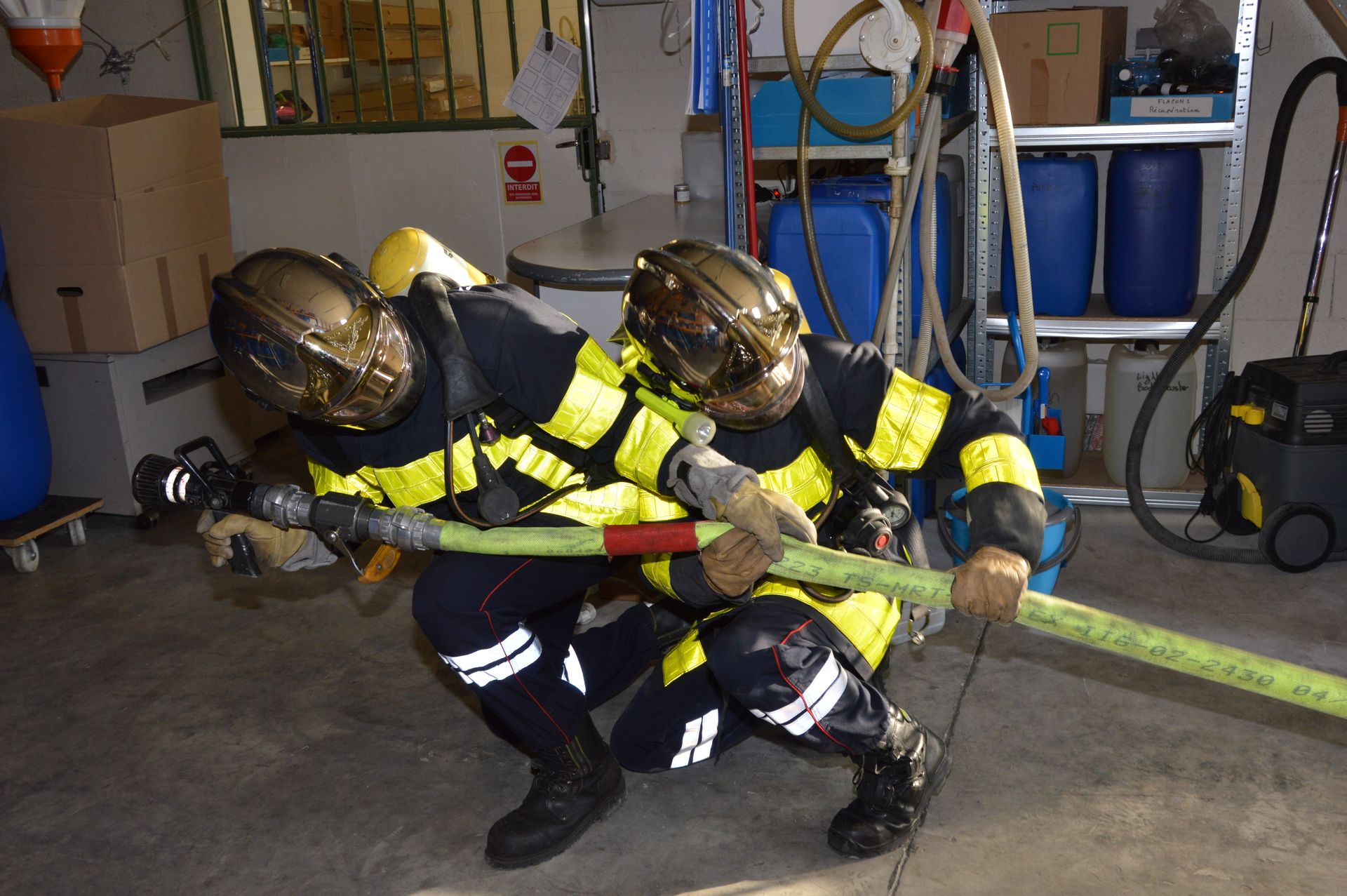
Peer Fitness Trainers, or PFTs, are firefighters trained to lead fitness efforts from within the ranks. The Peer Fitness Trainer certification was developed jointly by the International Association of Fire Fighters and the International Association of Fire Chiefs. Because PFTs come from inside the department, members are often more comfortable turning to them on personal health matters, which improves participation.
How the Program Works in Practice
Understanding the components is one thing. Knowing how they operate day to day is what helps a chief actually run the program.
Screening Before Participation
Before any member takes part in a fitness assessment, NFPA 1583 requires them to complete a pre-assessment questionnaire that identifies any reasons they should not participate. This works alongside the medical clearance from the department physician to make sure members are safe to begin.
Individualized Exercise Prescriptions
The assessment is not an end in itself. Its results feed an individualized exercise program tailored to each member, rather than a one-size-fits-all routine. The exercise component typically includes education on the benefits of exercise, guidance on warm-up and cool-down, and aerobic, strength, endurance, flexibility, and healthy-back work.
Mandatory but Non-Punitive
One of the standard's most important design choices is that a fitness program should require participation while remaining non-punitive. The goal is to support members in improving their fitness, not to discipline those who fall short of a benchmark, which is what makes sustained participation realistic.
Where NFPA 1583 Stands Today
The regulatory picture has shifted, and a chief building a program should understand the current landscape.
The Move Into NFPA 1580
As part of NFPA's Emergency Response and Responder Safety Document Consolidation Plan, NFPA 1583 has been combined into a new consolidated standard, NFPA 1580, the Standard for Emergency Responder Occupational Health and Wellness. The last standalone edition of 1583 remains the reference for its content, and the substance of the fitness program requirements carries forward. NFPA 1582, which handles the medical side, was consolidated into the same document. You can read how that affects the medical evaluations on our NFPA 1582 physicals page.
What This Means for Departments
For most departments, the consolidation is administrative rather than substantive. The fitness assessment, the two program roles, and the individualized exercise approach all carry forward. The main task is updating policy references to point to the consolidated standard while continuing to run the program the way 1583 describes.
How NDS Wellness Supports Firefighter Health
NFPA 1583 governs the fitness program, and NFPA 1582 governs the medical evaluation that clears members to participate in it. NDS Wellness delivers that medical side. Through our firefighter health and wellness program, we bring physician-led medical evaluations directly to your station, aligned with the NFPA 1582 standard now inside NFPA 1580, so the clearance NFPA 1583 depends on actually gets done across your whole roster.
Because we arrive in a mobile wellness clinic and work across every shift, your department completes its medical evaluations without pulling companies out of service. Each firefighter gets a real appointment with a physician who explains the findings and coordinates follow-up. That medical foundation is what a fitness program is built on, and it pairs naturally with the cancer and cardiac screening covered in our guide to the cancers most common in firefighters.